
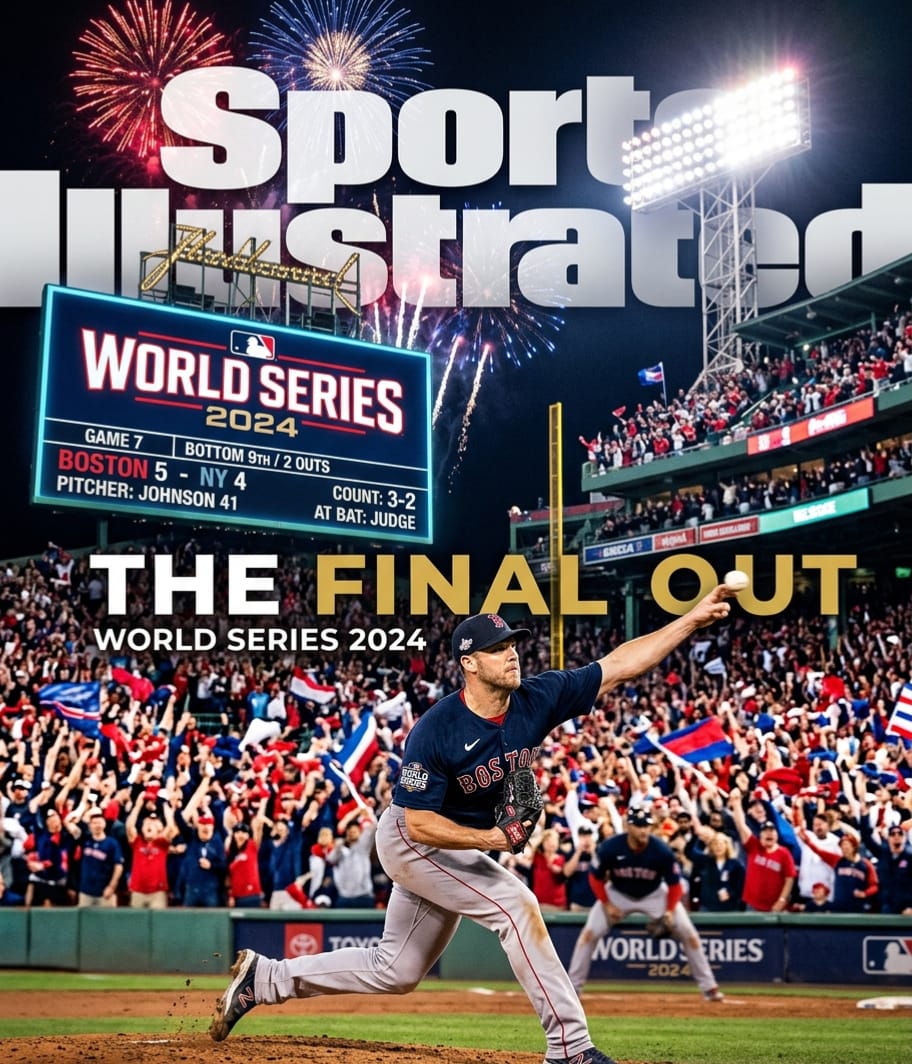
Introduction: The Championship That Defines Baseball’s Legacy
Every autumn, millions of sports fans across continents turn their attention to one defining spectacle — the World Series.
More than just a championship showdown, the Major League Baseball (MLB) World Series has evolved into a global sporting, economic, and cultural phenomenon. From record-breaking broadcasting deals to rising international fan engagement, baseball’s grand finale is no longer confined to North America — it is shaping the future of sports entertainment worldwide.
In 2026 and beyond, the MLB World Series represents tradition meeting innovation, legacy confronting analytics, and sport merging with business strategy.
🌍 Understanding the MLB World Series: A Global Sporting Institution

The MLB World Series is the championship series of Major League Baseball, played between the winners of the American League (AL) and National League (NL). Established in 1903, the tournament has grown into one of the most historic and commercially valuable sporting events in the world.
Key Facts About the World Series
- Played in a best-of-seven format
- Hosted annually in October–November
- Features intense media coverage across 200+ countries
- Generates hundreds of millions in advertising and sponsorship revenue
The competition symbolizes baseball excellence, resilience, and strategic mastery, attracting legendary teams like the New York Yankees, Los Angeles Dodgers, and Houston Astros.
📈 Key Trends Shaping the Modern MLB World Series
1. The Rise of Global Fan Engagement
In the past, baseball was primarily popular in the United States, Japan, and parts of Latin America. However, digital streaming platforms and social media marketing have transformed the World Series into a global sports product.
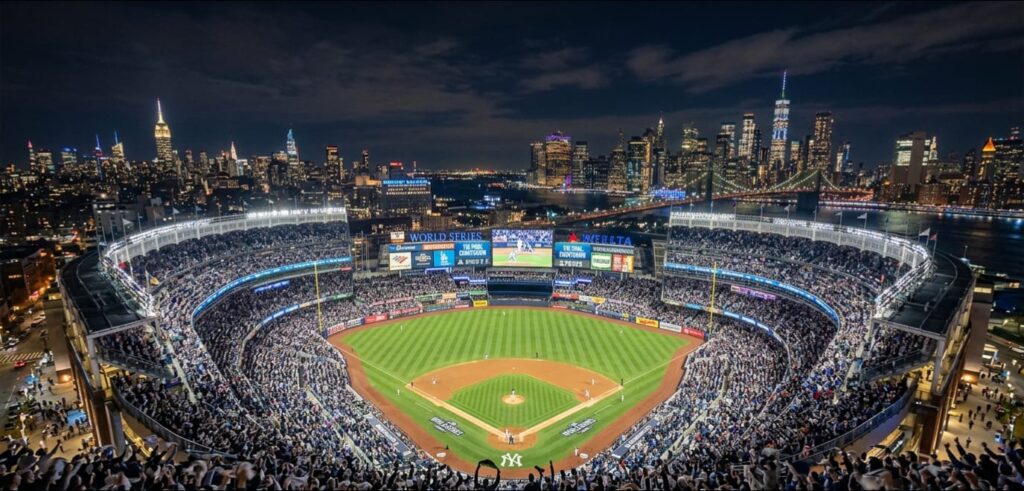
Emerging markets in Europe, South Asia, and the Middle East are showing increasing interest due to:
- AI-powered highlight distribution
- Real-time multilingual commentary
- Global sports betting integration
- Fantasy sports participation
This expansion is positioning the MLB World Series as a competitor to global mega-events like the FIFA World Cup and the Super Bowl in terms of commercial growth potential.
2. Data Analytics & Strategic Gameplay Revolution
Modern baseball strategy is deeply influenced by advanced analytics, machine learning, and performance tracking technologies.
Teams now rely on:
- Predictive pitching matchups
- AI-driven defensive shifts
- Wearable athlete performance sensors
- Real-time biomechanical analysis
This shift has changed how World Series games are played, making them more tactical, statistically optimized, and unpredictable.
3. Broadcasting Rights & Media Monetization
The MLB World Series has become a multi-billion-dollar media property.
Recent broadcasting deals include:
- Long-term partnerships with streaming platforms
- Integration of immersive VR viewing experiences
- Personalized fan engagement via mobile apps
These developments are reshaping how fans consume baseball, creating new revenue streams and higher advertising competition.
💼 Economic Impact of the MLB World Series
Host City Business Boom
Cities hosting World Series games experience significant economic boosts through:
- Tourism influx
- Hotel occupancy surges
- Retail and restaurant spending
- Increased transportation demand
For example, previous host cities reported economic injections exceeding $150 million per series, demonstrating the tournament’s powerful local impact.
Sponsorship & Brand Visibility
Global brands view the World Series as a premium advertising opportunity due to:
- High-value audience demographics
- Loyal fan engagement
- Cross-platform media exposure
This has led to increased partnerships between MLB franchises and multinational corporations in technology, finance, and automotive sectors.
🏆 Real-World Case Study: The Dodgers vs Astros Era
The intense rivalry between the Los Angeles Dodgers and the Houston Astros defined one of baseball’s most dramatic competitive periods.
Key takeaways from this era include:
- Importance of player depth and bullpen strategy
- Role of analytics in postseason success
- Psychological resilience in high-pressure environments
These matchups also boosted global viewership and sparked debates about sports integrity, competitive fairness, and technology usage in professional leagues.
🔮 Future Predictions: MLB World Series (2026–2030)
1. International Expansion of Games
MLB is expected to explore neutral-venue World Series games in markets like Tokyo, London, or Mexico City.
Potential benefits:
- Expanded fanbase
- New sponsorship territories
- Global sports diplomacy
2. AI-Driven Fan Experiences
Future fans may enjoy:
- Real-time tactical insights during live broadcasts
- Personalized camera angles
- Augmented reality stadium experiences
This technological shift will redefine sports entertainment and create deeper emotional connections between fans and teams.
3. Rising Player Salaries & Competitive Balance
Financial dynamics will continue evolving due to:
- Luxury tax adjustments
- Revenue-sharing policies
- Expansion team discussions
These changes aim to maintain competitive balance while sustaining the World Series’ elite status.
🧠 Expert Analysis: Why the World Series Still Matters
Despite the rise of shorter digital entertainment formats, the MLB World Series remains relevant because it offers:
- Multi-generational storytelling
- Deep statistical heritage
- Strategic depth unmatched in many sports
Sports economists argue that baseball’s championship thrives on narrative continuity — every series connects past legends with future stars.
Moreover, MLB’s investment in youth academies and global scouting networks is expected to increase talent diversity, making future World Series competitions even more dynamic.
✅ Actionable Insights for Fans, Investors & Sports Businesses
For Fans
- Follow emerging international players to understand future team dynamics
- Engage with fantasy leagues to enhance viewing experience
- Explore streaming subscriptions for exclusive content
For Investors
- Sports media rights remain a high-growth asset class
- Stadium infrastructure projects offer long-term returns
- Data analytics startups in sports tech are gaining momentum
For Brands
- Sponsoring World Series-related content can drive global recognition
- Influencer collaborations during postseason periods increase engagement
- Interactive digital campaigns create stronger fan loyalty
⚾ Conclusion: A Championship That Continues to Shape the Future
The MLB World Series is no longer just a baseball championship — it is a global sports business engine, cultural symbol, and technological innovation platform.
As the tournament adapts to new audiences, advanced analytics, and immersive media formats, its influence will continue expanding beyond traditional sporting boundaries.
For fans, businesses, and investors alike, the World Series represents opportunity, excitement, and the enduring power of competitive excellence.
The next decade could redefine baseball’s global footprint — and the World Series will remain at the heart of that transformation.