
Technology doesn’t usually change our lives overnight. More often, it slips in gradually, solves small problems, and before we notice, our routines look completely different. Over the past year, several technologies have reached that tipping point. They’re no longer experimental ideas or future promises — they’re starting to show up in real homes, workplaces, and cities.
This article isn’t about far-off science fiction. It’s about practical innovations that are already influencing how we work, communicate, stay healthy, and manage our time. Some are impressive, some are slightly uncomfortable, and a few raise important questions — but all of them matter.
Smarter AI Assistants Are Becoming Genuinely Useful

For a long time, digital assistants felt limited. They could set alarms or answer basic questions, but they rarely understood context. That’s changing. Modern AI assistants are now much better at recognizing patterns, preferences, and daily habits.
Many people notice this first at home. Smart systems now adjust lighting, temperature, and even background noise based on how you usually behave at different times of day. If you tend to dim lights in the evening or play music while cooking, the system learns and adapts without being told repeatedly.
Scheduling tools are also improving in noticeable ways. Instead of simply storing appointments, they analyze how productive you are at different times and suggest schedules that actually make sense. For example, creative tasks get placed when your focus is highest, while routine meetings are moved to less demanding hours. It feels less like using software and more like having a very organized assistant.
Health monitoring is another area where quiet progress is happening. Some systems can detect changes in speech patterns, sleep quality, or daily activity that may indicate stress or illness. While this doesn’t replace doctors, it does offer early warnings that many people find genuinely helpful.
Computing Power Is Expanding Beyond Traditional Limits
Most people never see what happens behind the scenes of modern computing, but the effects are becoming easier to notice. Advanced computing systems can now process huge amounts of data at once, allowing tools like financial planning apps, translation services, and medical analysis software to work faster and more accurately.
Language translation, for example, is becoming far more natural. Instead of awkward word-for-word conversions, newer systems understand context, tone, and cultural nuance. This makes international communication smoother, especially for work and travel.
In healthcare, data-heavy analysis is helping professionals detect patterns that would be almost impossible to spot manually. When combined with wearable devices, these systems can flag potential issues early, giving people more time to act.
Extended Reality Is Changing Work and Entertainment
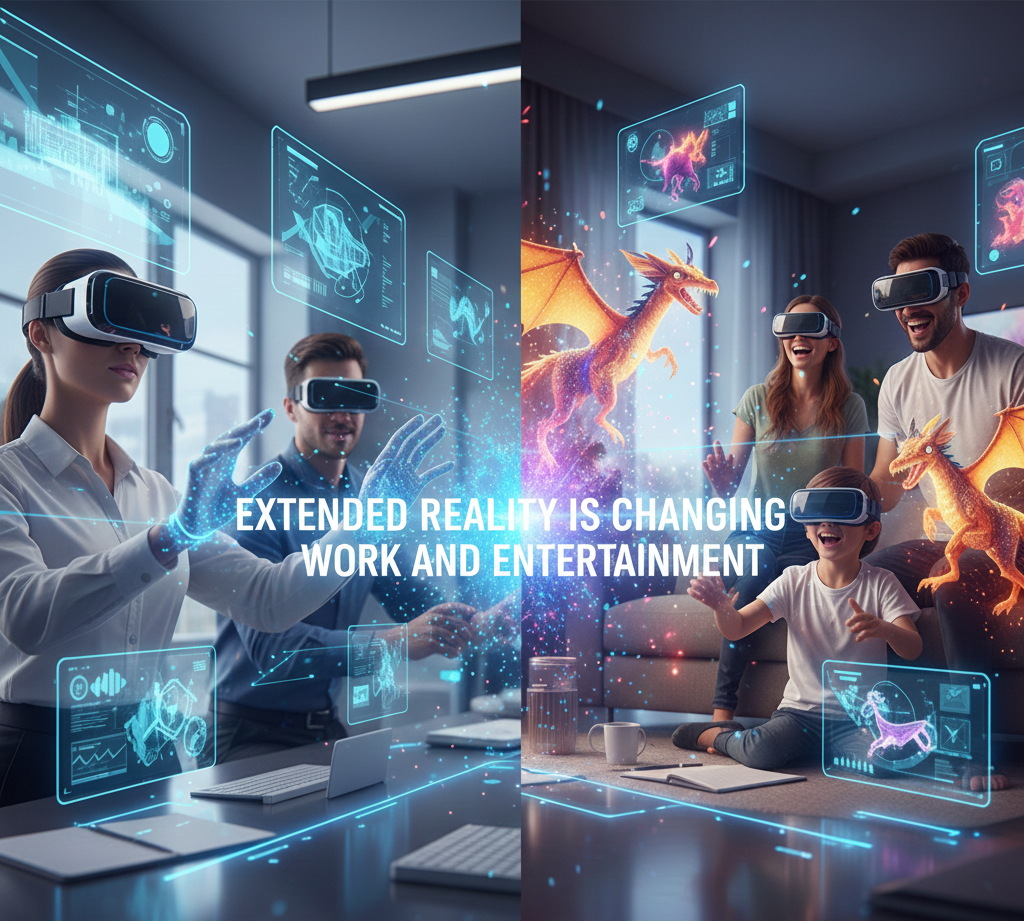
Remote work pushed many companies to experiment with virtual environments, and some of those experiments worked surprisingly well. Extended reality spaces now allow people to collaborate in shared digital rooms where gestures, eye contact, and spatial awareness feel more natural than standard video calls.
Outside of work, fitness and learning are benefiting too. Virtual workouts feel more engaging when they resemble games or immersive experiences rather than repetitive routines. Similarly, students often understand complex topics faster when they can explore them visually instead of reading about them in textbooks.
While these tools aren’t for everyone, they offer an alternative that many people prefer once they get used to it.
Brain–Computer Interfaces Are Moving Out of the Lab

Direct interaction between the brain and machines sounds intimidating, but early versions are already helping people with mobility challenges communicate and control devices. These systems interpret neural signals and translate them into actions like typing or selecting options on a screen.
For everyday users, the technology is still limited, but progress is steady. The most promising aspect isn’t convenience — it’s accessibility. People who previously struggled to use traditional interfaces are gaining new independence, which may turn out to be the most important outcome of this research.
Battery Technology Is Finally Catching Up
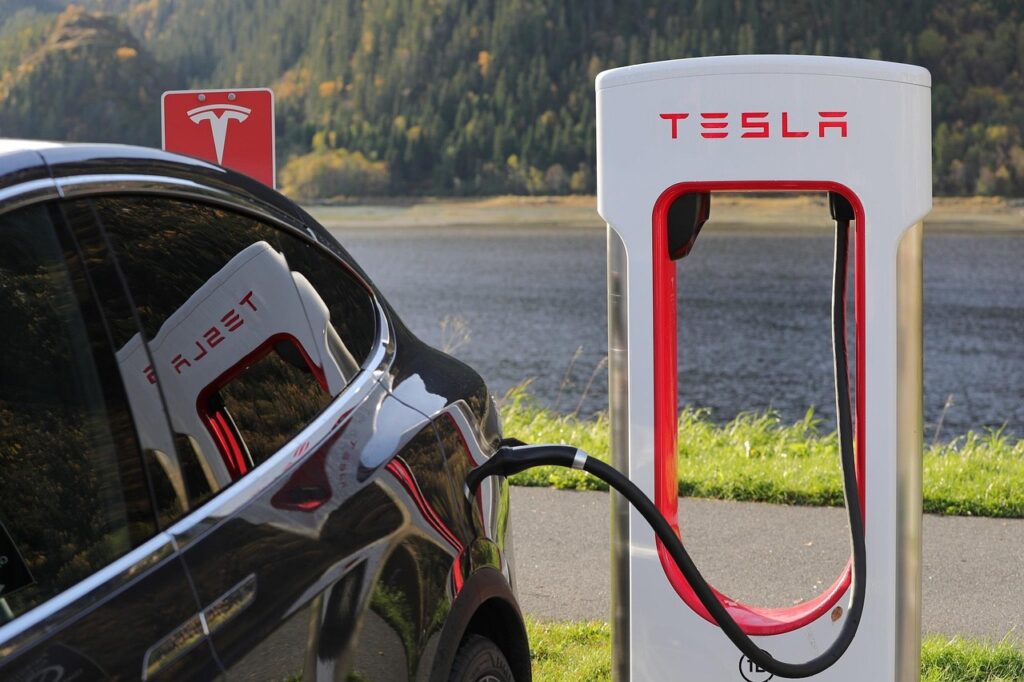
Battery life has been a common frustration for years, especially as devices become more powerful. Recent improvements are addressing this problem directly. New battery designs charge faster, last longer, and handle extreme temperatures better than older models.
This matters most for electric vehicles and portable devices. Longer range and quicker charging make electric transport more practical, while smaller devices benefit from reduced dependence on charging cables and outlets.
Transportation Is Becoming Less Demanding

Automation is slowly changing how people move around cities. In some places, partially autonomous vehicles are already reducing driver fatigue by handling repetitive tasks like highway cruising or stop-and-go traffic.
Delivery systems are evolving too. Drones and autonomous vehicles are helping reduce delivery times, particularly in areas where traditional logistics are slow or expensive. While regulation is still catching up, the direction is clear.
Medicine Is Shifting Toward Prevention
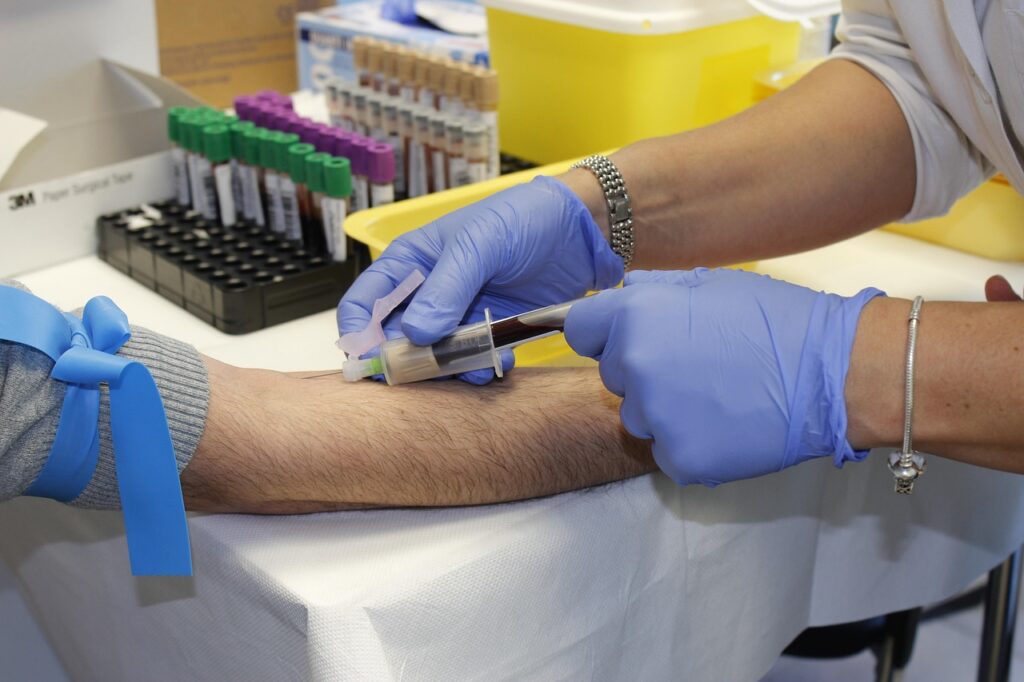
Healthcare is becoming more personalized. Genetic testing, wearable devices, and long-term health data allow doctors to focus more on prevention rather than reaction. Instead of waiting for symptoms to appear, risks can be identified early and managed through lifestyle changes or targeted treatments.
This approach isn’t perfect, and it raises ethical questions, but it has already helped many people take better control of their health.
Cities Are Getting Smarter, One System at a Time

Smart city technology doesn’t usually announce itself. It shows up as shorter commutes, cleaner streets, or lower energy bills. Traffic systems that adjust in real time, waste management sensors, and adaptive power grids are quietly improving urban life.
These changes don’t eliminate all problems, but they reduce everyday friction — and that adds up.
New Materials Are Improving Everyday Products
From tougher phone screens to clothing that regulates temperature, advanced materials are making common products more durable and comfortable. Many of these improvements aren’t dramatic on their own, but together they reduce waste and improve reliability.
Human Capabilities Are Slowly Expanding
Biotechnology is opening new doors in medicine and physical rehabilitation. Gene therapies, regenerative treatments, and advanced prosthetics are helping people recover from conditions that were once permanent. While enhancement for healthy individuals remains controversial, medical applications are already making a real difference
Final Thoughts
None of these changes feel dramatic in isolation. That’s exactly why they matter. Technology tends to reshape life not through sudden revolutions, but through small, steady improvements that eventually become normal.
Paying attention now makes it easier to adapt later. The goal isn’t to chase every new tool — it’s to understand which ones genuinely improve daily life and which ones don’t. Over time, that awareness becomes a real advantage.