
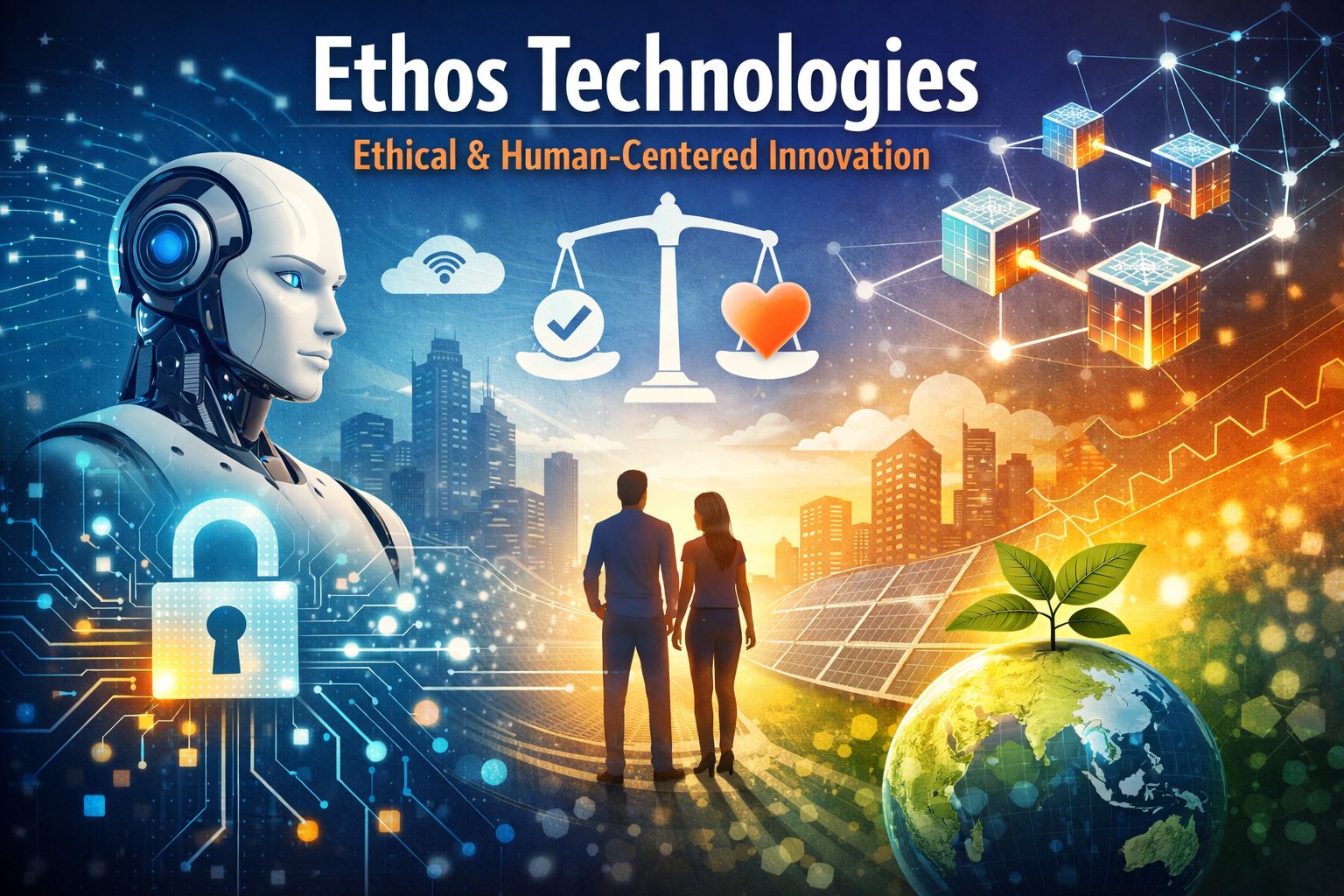
In today’s fast‑moving digital world, technology alone is no longer enough. What truly sets successful organizations, platforms, and products apart is ethos—the values, principles, and purpose that guide how technology is built and used. Ethos Technologies is a term increasingly used to describe this values‑driven approach to innovation, where technology is designed not just to be powerful, but also responsible, ethical, and human‑centric.
This blog explores Ethos Technologies in depth—what it means, why it matters, how it works, and how it is shaping the future of industries across the globe.
What Is Ethos Technologies?
At its core, Ethos Technologies refers to the integration of ethical values, social responsibility, transparency, and user trust into technological development and deployment. The word ethos comes from Greek, meaning character or guiding beliefs. When applied to technology, it represents the moral foundation behind innovation.
Rather than focusing only on speed, profit, or disruption, Ethos Technologies emphasizes:
- Purpose‑driven innovation
- Responsible use of data and AI
- Human well‑being and inclusivity
- Long‑term societal impact
In simple terms, it’s about building technology with conscience.
Why Ethos Technologies Matters Today
Technology now influences nearly every aspect of life—from how we communicate and work to how decisions are made by governments, businesses, and algorithms. Without a strong ethical framework, innovation can easily lead to:
- Privacy violations
- Bias in AI systems
- Data misuse
- Loss of human trust
Ethos Technologies addresses these challenges by ensuring that innovation aligns with human values, legal standards, and social good.
In an era of AI, automation, and big data, trust has become the new currency—and ethos is how that trust is earned.
Core Principles of Ethos Technologies
1. Ethical Design and Development
Ethos Technologies promotes ethics‑by‑design, meaning moral considerations are embedded from the very beginning of product development—not added later as damage control.
Key aspects include:
- Fair and unbiased algorithms
- Transparent decision‑making systems
- Accountability in automated processes
2. Human‑Centered Innovation
Technology should serve people, not replace or exploit them. Ethos‑driven systems focus on:
- Enhancing human capabilities
- Improving quality of life
- Creating intuitive and accessible user experiences
This approach ensures that innovation remains inclusive and empathetic.
3. Data Privacy and Security
With massive amounts of personal data being collected daily, Ethos Technologies prioritizes:
- User consent and data ownership
- Secure data storage and transmission
- Compliance with global privacy standards
Responsible data practices are essential to maintaining user confidence.
4. Transparency and Trust
Users deserve to understand how technology affects them. Ethos Technologies supports:
- Explainable AI models
- Clear policies and disclosures
- Open communication with stakeholders
Transparency transforms technology from a black box into a trusted partner.
5. Sustainability and Social Responsibility
Ethos Technologies also considers environmental and social impact by:
- Reducing carbon footprints of digital systems
- Supporting sustainable infrastructure
- Aligning innovation with global development goals
Technology should contribute to a better future, not compromise it.
Ethos Technologies and Emerging Tech
Artificial Intelligence (AI)
In AI, ethos plays a critical role in preventing bias, discrimination, and unethical automation. Responsible AI ensures fairness, explainability, and accountability.
Blockchain and Decentralization
Ethos‑driven blockchain solutions emphasize transparency, trust, and decentralization while protecting users from fraud and exploitation.
Cloud Computing
Ethical cloud technologies focus on data sovereignty, energy efficiency, and secure global access.
Internet of Things (IoT)
With billions of connected devices, Ethos Technologies ensures IoT systems respect privacy, safety, and user control.
Business Benefits of Adopting Ethos Technologies
Organizations that adopt an ethos‑first approach gain more than just moral credibility. Key benefits include:
- Stronger brand trust and loyalty
- Reduced legal and compliance risks
- Long‑term sustainability
- Higher customer and employee satisfaction
Ethical technology is not a limitation—it is a competitive advantage.
Challenges in Implementing Ethos Technologies
Despite its importance, adopting Ethos Technologies comes with challenges:
- Balancing innovation speed with ethical review
- Defining universal ethical standards
- Managing costs of compliance and governance
However, these challenges are far outweighed by the long‑term benefits of responsible innovation.
The Future of Ethos Technologies
As regulations tighten and users become more aware, Ethos Technologies will move from being optional to essential. Future trends include:
- Global ethical AI frameworks
- Stronger digital rights for users
- Ethics‑focused technology leadership roles
The future belongs to organizations that innovate with integrity, purpose, and accountability.
Final Thoughts
Ethos Technologies represents a powerful shift in how we think about innovation. It reminds us that technology is not just about what we can build—but what we should build.
By aligning advanced technologies with human values, ethics, and responsibility, Ethos Technologies paves the way for a digital future that is not only smarter, but also fairer, safer, and more meaningful.
In the end, true innovation is not defined by machines—it is defined by the values behind them.