
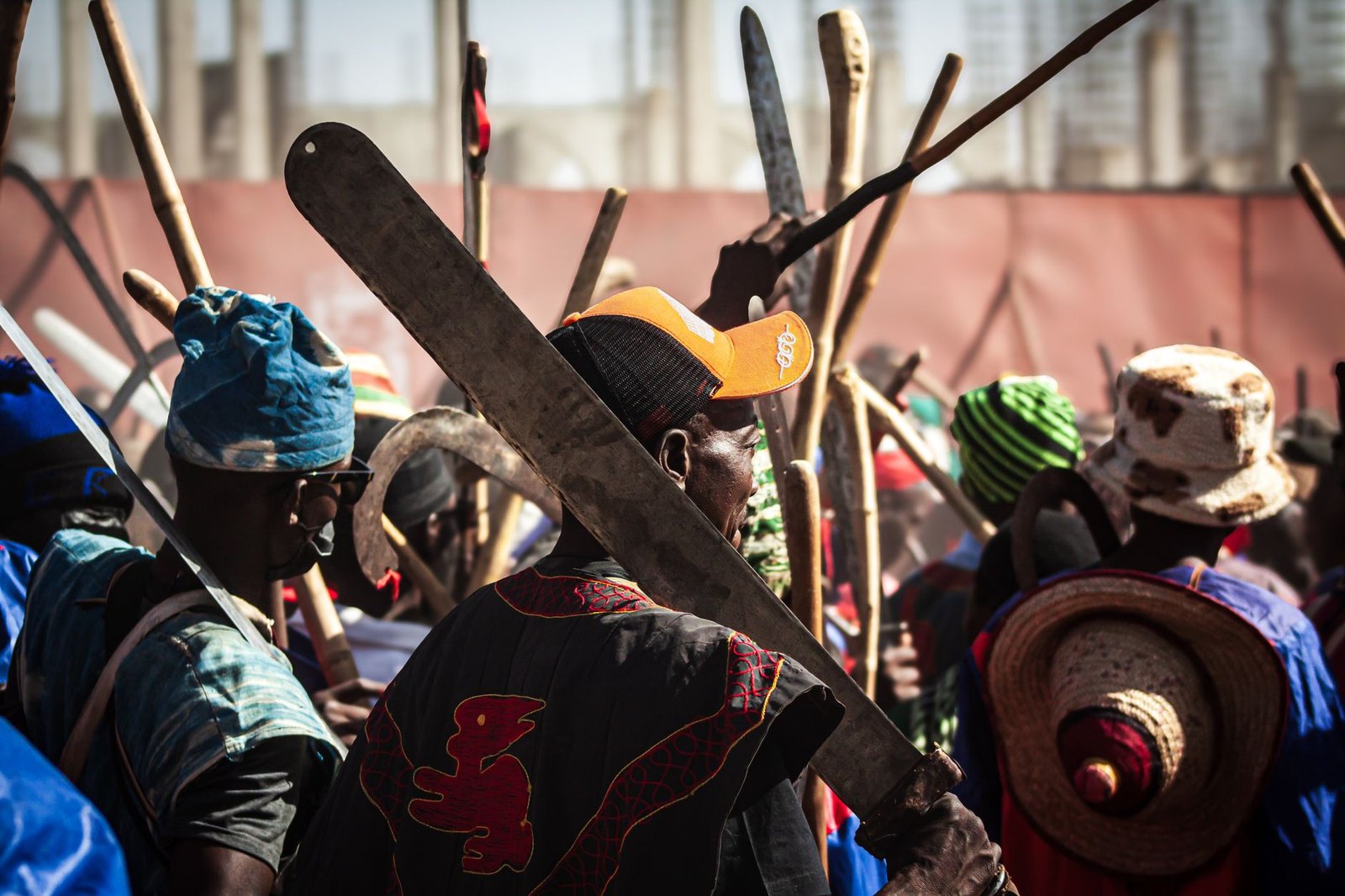
The air in Johannesburg’s working-class suburbs is thick with a palpable tension, a grim precursor to the approaching deadline that has sent shivers through communities of foreign nationals across South Africa. Whispers of ‘they came with machetes’ are no longer abstract threats but terrifying realities for many, as vigilante groups escalate their campaigns to drive out undocumented migrants, often conflating all foreigners with criminal elements. The looming deadline, ostensibly set by a government struggling to assert control, has become a potent symbol of a deepening xenophobia that threatens to engulf the nation in further unrest and humanitarian distress, forcing thousands to confront the devastating prospect of displacement and the loss of livelihoods built painstakingly over years.
This urgent situation, characterized by escalating anti-immigrant sentiment and violent confrontations, is not an isolated incident but a recurring scar on South Africa’s post-apartheid landscape. The current wave of evictions and threats, amplified by social media and fueled by economic anxieties, targets individuals from various African nations, many of whom have long contributed to the South African economy and social fabric. The fear of machetes and the desperation to escape the mounting pressure paint a harrowing picture for thousands whose lives hang precariously in the balance as the deadline approaches, forcing them into impossible choices between staying and facing brutal retribution or leaving everything behind.
The Anatomy of Rising Fear and Intolerance

The narrative of ‘foreigners taking our jobs’ has long been a convenient scapegoat for South Africa’s persistent socio-economic challenges, including high unemployment and income inequality, issues deeply rooted in the country’s apartheid legacy. This simplistic framing, however, dangerously ignores the complex realities of migration and the vital roles that immigrants play in various sectors, from informal trading to essential services, a point often overlooked by those perpetuating the xenophobic rhetoric. The systematic targeting of foreign nationals, often documented through harrowing personal accounts and reports from human rights organizations, reveals a deliberate and organized campaign to instill fear and force displacement, pushing communities to the brink of despair.
Recent incidents, such as the coordinated raids and threats in areas like Yeoville and Hillbrow, have been particularly brutal, with reports detailing widespread intimidation and the destruction of property, pushing communities into a state of perpetual anxiety. The involvement of vigilante groups, often emboldened by perceived official inaction or tacit approval, has created a climate where survival hinges on constant vigilance and the desperate search for safety. The tangible threat of violence, underscored by the chilling mention of machetes, signifies a terrifying escalation beyond mere verbal abuse, turning fear into an immediate, life-threatening reality for thousands of vulnerable individuals and families. This deeply concerning trend highlights the pervasive nature of xenophobia in South Africa.
Historical Roots and Recurring Cycles of Violence

South Africa’s struggle with xenophobia is not a new phenomenon; it is a recurring cycle that has plagued the nation for decades, often flaring up during periods of economic downturn or political instability. These cycles of violence are frequently characterized by a pattern of scapegoating, where foreign nationals are blamed for societal ills, leading to brutal retaliatory attacks and widespread displacement. Understanding the historical context of these recurrent outbreaks is crucial to grasping the current crisis, as it reveals a persistent societal malaise that successive governments have struggled to effectively address, leaving vulnerable populations exposed to repeated trauma and insecurity.
The legacy of apartheid, with its enforced segregation and systemic discrimination, has undeniably left deep societal fissures that continue to manifest in various forms of prejudice and intolerance, including xenophobia. While the nation has made significant strides in dismantling formal apartheid structures, the underlying social and economic inequalities provide fertile ground for divisive rhetoric and scapegoating. International organizations and human rights advocates have long warned that without sustained interventions to address the root causes of xenophobia and promote social cohesion, these cycles of violence are destined to repeat, further destabilizing communities and undermining the country’s democratic ideals, as evidenced by reporting from institutions like BBC News Africa.
The Human Cost: Displacement, Trauma, and Despair
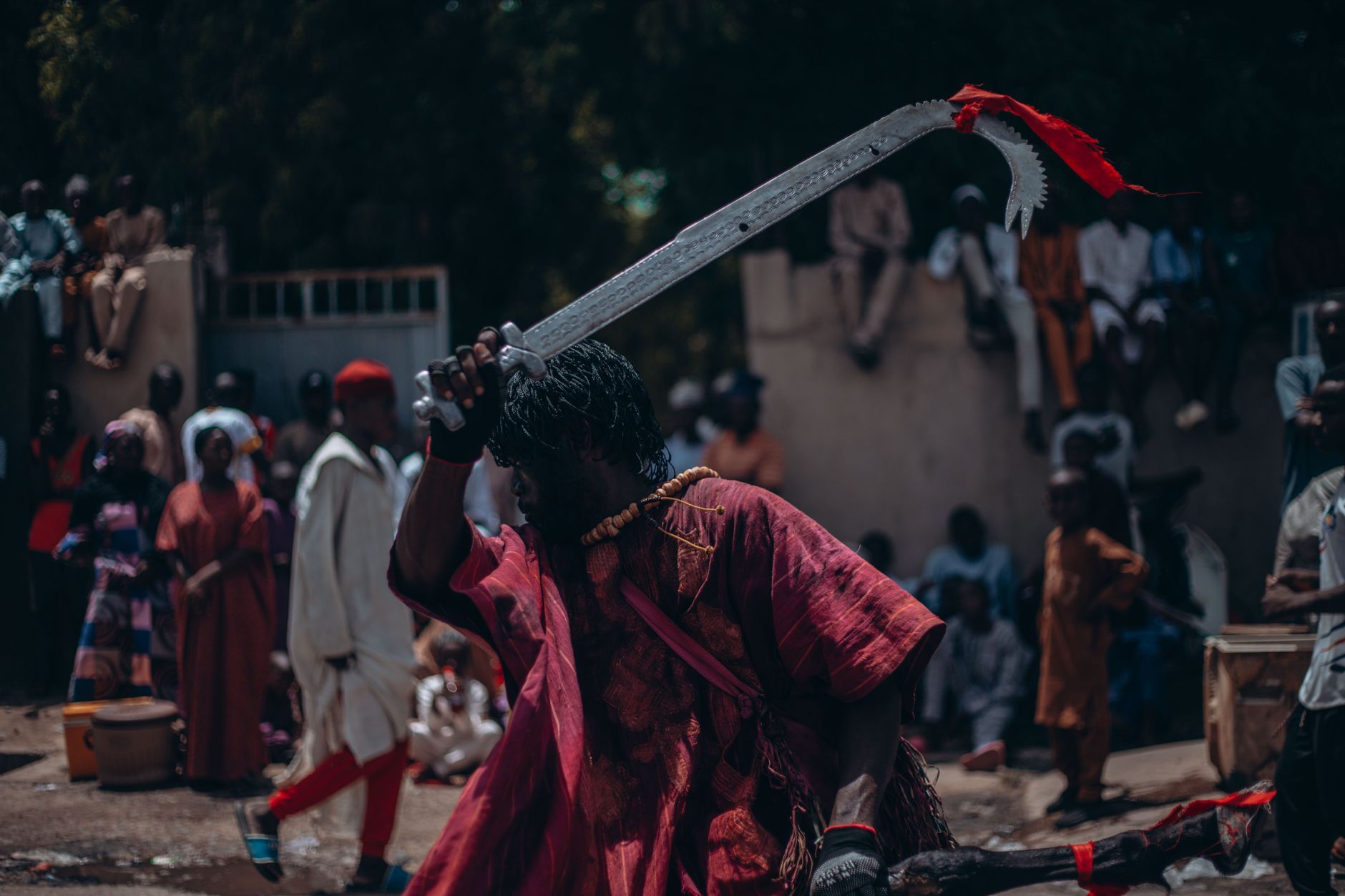
The immediate consequence of this escalating xenophobia is the profound human cost borne by those targeted, forcing families to make agonizing decisions about their safety and future. Stories of parents clutching their children, fleeing their homes with only the clothes on their backs, are becoming tragically common, painting a stark picture of the despair that permeates these communities. The psychological toll of constant fear, coupled with the loss of homes, businesses, and social networks, inflicts deep and lasting trauma, leaving individuals and families emotionally and economically devastated.
Beyond the immediate physical displacement, the economic ramifications are devastating for both the migrants and the broader South African economy, which benefits from their labour and entrepreneurship, particularly in the informal sector. Many of these individuals are small business owners, traders, and essential workers who contribute significantly to local economies, and their forced departure creates significant economic vacuums. The looming deadline exacerbates this crisis, creating a mass exodus of skilled and unskilled labour, a situation that could have far-reaching consequences for the affected communities and the nation’s economic stability, a point also highlighted by analyses from Reuters.
| Indicator | Pre-Deadline Concerns | Post-Deadline Potential Impact | Government Response |
|---|---|---|---|
| Displacement Scale | Thousands facing immediate threats and potential forced evictions. | Mass exodus leading to humanitarian crisis and strain on neighboring countries. | Inconsistent enforcement of laws, limited shelter provisions. |
| Economic Disruption | Loss of informal sector businesses, reduced consumer spending in affected areas. | Significant labour shortages, increased costs for essential goods and services. | Lack of comprehensive economic integration policies for migrants. |
| Social Cohesion | Erosion of trust between communities, increased polarization. | Deepening societal divisions, potential for further unrest and violence. | Perceived inaction on addressing xenophobic rhetoric and hate speech. |
| International Scrutiny | Growing concern from human rights organizations and international bodies. | Reputational damage for South Africa, potential diplomatic tensions. | Reliance on reactive rather than proactive measures. |
The Government’s Precarious Position and the Way Forward
The South African government finds itself in an unenviable and increasingly untenable position, caught between the demands of a vocal segment of the populace and its international obligations to protect human rights. While official statements often condemn xenophobia and pledge to uphold the rule of law, the implementation of these promises on the ground has been consistently hampered by a lack of resources, political will, and effective coordination between various government departments. The perception of weak enforcement and an inability to curb the escalating violence emboldens those perpetuating the xenophobic agenda, creating a vicious cycle of fear and insecurity.
Addressing this complex crisis requires a multi-pronged approach that goes beyond mere law enforcement and embraces socio-economic reforms, robust public awareness campaigns, and genuine political commitment. Sustainable solutions must involve tackling the root causes of unemployment and inequality, fostering a culture of tolerance and inclusivity, and holding perpetrators of xenophobic violence accountable under the law. Without decisive and sustained action, South Africa risks perpetuating a cycle of suffering that undermines its reputation and its very identity as a nation that champions human dignity and equality for all, a sentiment echoed in analyses from global bodies like the Bloomberg.
Frequently Asked Questions (FAQs)
What is the main reason for the looming deadline for migrants in South Africa?
The immediate impetus for the deadline is often driven by pressure from vigilante groups and citizens demanding the removal of undocumented foreign nationals, fueled by widespread xenophobic sentiment and economic anxieties. While the government may cite legal frameworks, the reality on the ground is often dictated by these extralegal pressures.
Are all migrants in South Africa undocumented?
No, not all migrants in South Africa are undocumented; the xenophobic attacks often indiscriminately target both documented and undocumented foreign nationals, conflating all foreigners with criminal elements. Many who have legally resided and worked in the country for years are also subjected to harassment and threats.
What are the primary concerns for migrants facing these threats?
The primary concerns revolve around physical safety from violent attacks, often involving weapons like machetes, and the potential loss of their homes, livelihoods, and possessions. The psychological trauma of living in constant fear and uncertainty is also a significant burden.
What is the role of the South African government in this crisis?
The South African government’s role is multifaceted, involving law enforcement, policy-making, and public diplomacy; however, it has been criticized for perceived inaction, inconsistent enforcement of laws, and failing to adequately address the root causes of xenophobia and protect vulnerable foreign nationals.
What are the long-term implications of this ongoing xenophobia for South Africa?
The long-term implications include severe damage to South Africa’s international reputation, potential diplomatic repercussions, continued social fragmentation, and the exacerbation of economic instability due to the loss of vital labour and entrepreneurial contributions from migrant communities.