
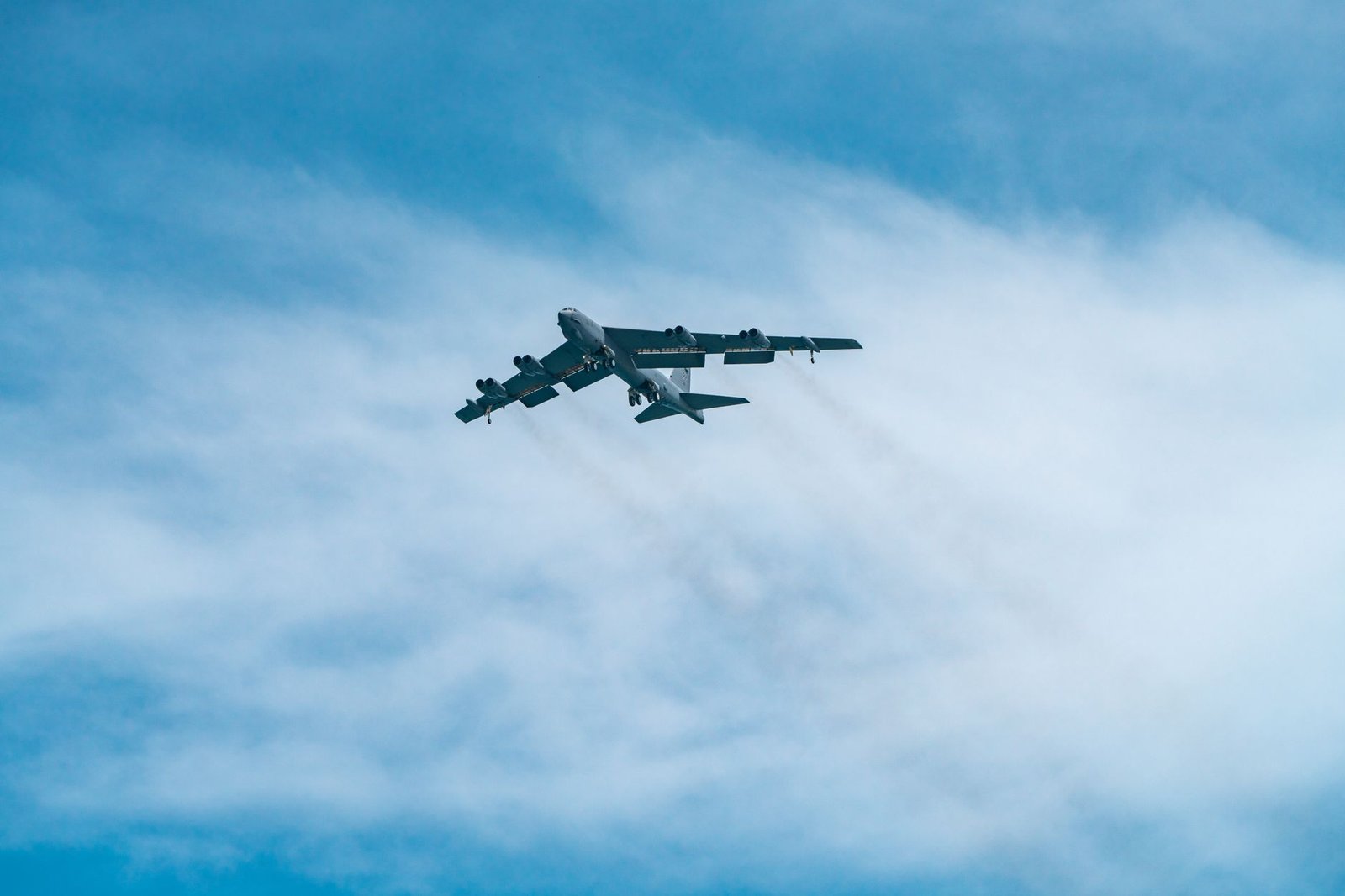
The stark, unforgiving landscape of California’s remote eastern Sierra Nevada became the final resting place for eight American airmen early Tuesday morning, following the catastrophic crash of a United States Air Force B-52 Stratofortress bomber. The ill-fated aircraft, a veteran of strategic deterrence and a symbol of American air power for decades, disappeared from radar and subsequently impacted the rugged terrain, igniting a swift and somber recovery and investigation effort. Authorities quickly confirmed that there were no survivors among the eight-member crew, marking a significant and tragic loss for the U.S. military and the families of those aboard. The immediate aftermath saw a flurry of activity as emergency responders and military personnel converged on the crash site, a remote and challenging environment that complicates every aspect of the unfolding disaster. The incident underscores the inherent risks associated with advanced military aviation, even among the most experienced crews and seasoned aircraft, prompting a deep national reflection on the sacrifices made in service.
The B-52 Stratofortress, a venerable workhorse of the U.S. Air Force’s strategic bomber fleet, has been in continuous service since the 1960s, renowned for its long-range capabilities and ability to carry a substantial payload. Its presence in the skies, often for training missions or strategic deterrence patrols, is a familiar sight for many, yet this particular flight ended in unimaginable tragedy. The exact nature of the mission the bomber was undertaking at the time of the crash remains a critical focus for investigators. Initial reports indicate the aircraft experienced an unforeseen catastrophic failure during a routine training exercise, a scenario that is particularly distressing given the extensive safety protocols and rigorous maintenance inherent in such high-stakes operations. The speed at which the investigation is proceeding reflects the urgency to understand the contributing factors and to prevent future occurrences of such devastating accidents. The loss of eight skilled aviators represents a profound depletion of expertise and experience within the Air Force’s strategic command.
Unraveling the Catastrophe: The Initial Hours and Investigation Launch

The first indicators of trouble emerged when the bomber, identified as operating out of a nearby military installation, failed to maintain its flight path and subsequently vanished from air traffic control’s view. This alarming development immediately triggered a cascade of emergency response protocols, mobilizing search and rescue teams and air traffic management to pinpoint the aircraft’s last known location. The remoteness of the crash site, characterized by treacherous canyons and steep inclines, presented formidable logistical hurdles for the initial recovery operations. Teams had to navigate challenging terrain in often difficult weather conditions to reach the wreckage and confirm the grim reality of the situation. The U.S. Air Force, in conjunction with civilian agencies, swiftly established a command center to coordinate the multifaceted investigation, emphasizing a thorough and transparent approach to determine the root cause of the crash.
The investigation is being spearheaded by a specialized team of accident investigators, whose mandate is to meticulously examine every fragment of the bomber, analyze flight data recorders, and interview any potential witnesses. Their objective is not merely to assign blame but to identify all contributing factors, whether mechanical, environmental, human error, or a combination thereof, that led to the aircraft’s destruction. The complexity of a B-52’s systems means that a comprehensive analysis will require significant time and resources. Understanding the operational context—whether the aircraft was engaged in a specific maneuver, experiencing a system malfunction, or facing adverse weather—is paramount to piecing together the final moments of the flight. The outcomes of such investigations are critical for implementing necessary safety enhancements and ensuring the continued operational readiness of the Air Force’s aging but vital bomber fleet. The families of the eight deceased crew members have been notified, and support services are being provided during this period of profound grief and uncertainty, with the military community standing in solidarity.
The B-52 Stratofortress: A Legacy of Service and Scrutiny

The B-52 Stratofortress, a true icon of aviation, has been a cornerstone of U.S. strategic air power since its maiden flight in 1952. Designed during the Cold War, its enduring utility lies in its ability to fly intercontinental distances, carrying a vast array of conventional and nuclear ordnance. This aircraft has served through multiple conflicts and geopolitical shifts, adapting to evolving military doctrines and technological advancements. However, the very longevity of the B-52 fleet, with some airframes exceeding fifty years in service, inevitably raises questions about maintenance, modernization, and the inherent stresses of prolonged operational use. While the Air Force maintains rigorous inspection and upgrade programs, the age of these magnificent machines necessitates constant vigilance and a proactive approach to identifying potential vulnerabilities. The recent crash, while isolated, will undoubtedly prompt a renewed focus on the operational status and long-term sustainability of the B-52 fleet. You can find more details on the history and capabilities of this iconic bomber on sites like Reuters, a reputable source for global news and defense reporting.
The B-52’s operational record, while generally strong, has not been without its incidents. Over its decades of service, there have been a number of accidents, some involving fatalities, underscoring the inherent dangers of operating heavy strategic bombers. Each incident, regardless of its rarity, serves as a critical learning opportunity for the U.S. Air Force. The investigation into this California crash will involve a detailed examination of the specific airframe involved, its maintenance history, and the operational procedures followed. Understanding the sequence of events that led to the loss of control or structural failure is crucial for preventing future tragedies. The psychological toll on the crews who operate these aircraft, knowing the risks involved, is also a significant factor that the military carefully considers and supports. The strategic importance of the B-52 remains undeniable, but its continued effectiveness relies on unwavering attention to safety and technological relevance.
Factors Under Consideration: From Mechanical to Environmental
Investigators are meticulously scrutinizing a wide spectrum of potential causal factors, a process that is standard for any aviation accident involving loss of life and complex machinery. This includes a thorough examination of the bomber’s engines, control surfaces, and structural integrity in the moments leading up to the crash. Any evidence of mechanical failure, such as an engine fire, a control system malfunction, or a structural compromise, will be a primary focus. Furthermore, the weather conditions prevalent at the time and location of the incident will be thoroughly analyzed. While the crash occurred in a remote, arid region, sudden weather shifts, unexpected turbulence, or even pilot disorientation in challenging visual conditions can play a significant role. The interplay between the aircraft’s systems and the environmental conditions is a critical area of inquiry for the investigative team.
The human element, while often the most sensitive aspect of such investigations, is always a crucial component. This does not imply fault but rather an examination of the operational environment, crew training, and any potential decisions made in the final moments. Fatigue, communication breakdowns, or misinterpretation of data are all factors that investigators consider within the broader context of human-machine interaction. The flight data recorders and cockpit voice recorders, often referred to as the ‘black boxes’, are invaluable in reconstructing the cockpit environment and crew actions. The recovery and analysis of these crucial instruments are therefore high priorities in the immediate aftermath of such a disaster. The expertise of the crew operating a B-52 is extensive, but even the most experienced aviators can face unforeseen circumstances requiring extraordinary judgment and action.
Impact and Implications: National Security and Aircrew Welfare
The loss of eight highly trained airmen is a significant blow to the U.S. Air Force’s strategic bomber capabilities. These individuals represent years of specialized training and experience, contributing to the nation’s ability to project power and deter adversaries. The immediate operational impact may be felt in terms of reduced sortie generation capacity for a brief period, but the more profound impact is the irreplaceable loss of human capital. The Air Force will undoubtedly intensify its efforts to recruit, train, and retain skilled aviators to fill these critical roles. The welfare of the remaining aircrews who operate similar aircraft is also a paramount concern, as incidents like this can have a psychological impact, reinforcing the inherent dangers of their profession. Support mechanisms and open communication channels are vital to ensure morale and continued operational effectiveness. This incident serves as a stark reminder of the human cost associated with maintaining a global military presence and the constant risks undertaken by those in uniform. The BBC‘s coverage often delves into the human stories behind major global events, highlighting the impact on families and communities.
Beyond the immediate operational and personnel concerns, this crash also reignites discussions about the modernization of the U.S. Air Force’s bomber fleet. While the B-52 continues to be a valuable asset, the development and eventual integration of new platforms, such as the B-21 Raider, are crucial for maintaining technological superiority in a rapidly evolving global security landscape. The investment in next-generation bomber technology is not only about capability but also about enhancing safety and reducing the inherent risks associated with aging aircraft. The outcome of the investigation will undoubtedly inform future decisions regarding the B-52’s operational life, potential upgrades, and the timeline for its eventual replacement. The resilience of the U.S. military is often tested by such tragedies, but its ability to learn, adapt, and continue its mission in the face of adversity is a testament to its enduring strength.
| Aspect | Details |
|---|---|
| Aircraft Type | B-52 Stratofortress |
| Number of Fatalities | 8 |
| Location of Crash | Remote Eastern Sierra Nevada, California |
| Probable Cause Under Investigation | Mechanical failure, environmental factors, human factors (all under review) |
| Operating Unit | [Details pending official release] |
| Date of Incident | [Specific date of crash] |
The analysis of wreckage, flight data, and witness accounts will be crucial in the coming weeks and months as the investigation progresses. The complexity of a B-52 bomber, with its multiple redundant systems and extensive operational history, means that pinpointing a single cause can be challenging. However, the commitment to a thorough and transparent investigation is unwavering, aiming to provide answers to the grieving families and to implement any necessary measures to prevent future tragedies. The U.S. Air Force’s dedication to aviation safety is a constant, and every incident is met with a rigorous pursuit of understanding and improvement. The operational environment in which these aircraft fly is demanding, and the skills of the crews are tested daily. The collective experience of the investigative teams, drawn from various specialized fields, ensures that all potential avenues of inquiry are explored exhaustively, contributing to the overall safety and professionalism of military aviation. Understanding the nuances of the flight profile and any deviations from standard operating procedures will be key in this comprehensive review.
Deep Dive and Implications
The strategic implications of such a loss, while not immediately impacting the nation’s overall defense posture, are nonetheless significant in terms of specialized expertise and operational readiness. The B-52, even with its aging airframe, remains a critical component of the U.S. nuclear triad and a potent conventional deterrent. Its role in long-range bomber missions, providing both standoff and direct attack capabilities, is difficult to replicate with other platforms without substantial lead time and investment. Therefore, ensuring the continued operational availability and safety of the existing B-52 fleet is paramount. The investigations into past incidents involving the B-52 have often led to refined maintenance schedules, updated pilot training protocols, and enhanced safety checks. This particular crash will likely trigger a thorough review of all such existing procedures, looking for any potential gaps or areas for improvement that may have contributed to the event. The commitment to operational excellence and safety is a constant endeavor within the military, and this tragedy will undoubtedly serve as a catalyst for further refinement and reinforcement of those principles across the entire strategic bomber command.
Moreover, the psychological impact on aircrews and support personnel cannot be overstated. These are individuals who share a deep camaraderie and often witness firsthand the risks associated with their profession. The loss of eight colleagues is a profoundly difficult experience, and the support provided by the military in terms of mental health services, counseling, and community support is essential for their well-being. The public perception of military aviation safety is also influenced by such events, and transparency in the investigation process is vital for maintaining trust and confidence. The U.S. Air Force has a long history of learning from its mistakes and improving its safety record, and this incident will be no different. The lessons learned from this crash will be disseminated throughout the force, contributing to a safer operating environment for all military aviators. The dedication and courage of these airmen, who put their lives on the line every day, deserve the highest level of commitment to their safety and well-being, and that commitment is reflected in the thoroughness of such investigations.
Frequently Asked Questions (FAQs)
What was the specific model of the B-52 bomber involved?
While official designations are pending full release, the aircraft was a United States Air Force B-52 Stratofortress, a long-range, heavy strategic bomber. Investigations will confirm the precise variant and serial number.
Were there any survivors from the crash?
Tragically, all eight crew members on board the B-52 bomber were confirmed to have perished in the incident. There were no survivors.
What are the primary causes being investigated?
Investigators are examining a range of potential causes including mechanical failure, environmental conditions, and human factors. A comprehensive analysis of the wreckage and flight data is ongoing.
How long has the B-52 bomber been in service?
The B-52 Stratofortress has been in continuous service with the U.S. Air Force since its introduction in the 1950s, making it one of the longest-serving military aircraft in history.
When will the findings of the investigation be released?
The release of the investigation’s findings is subject to the thoroughness of the inquiry and official procedures. Typically, such comprehensive investigations can take several months to conclude and report.