
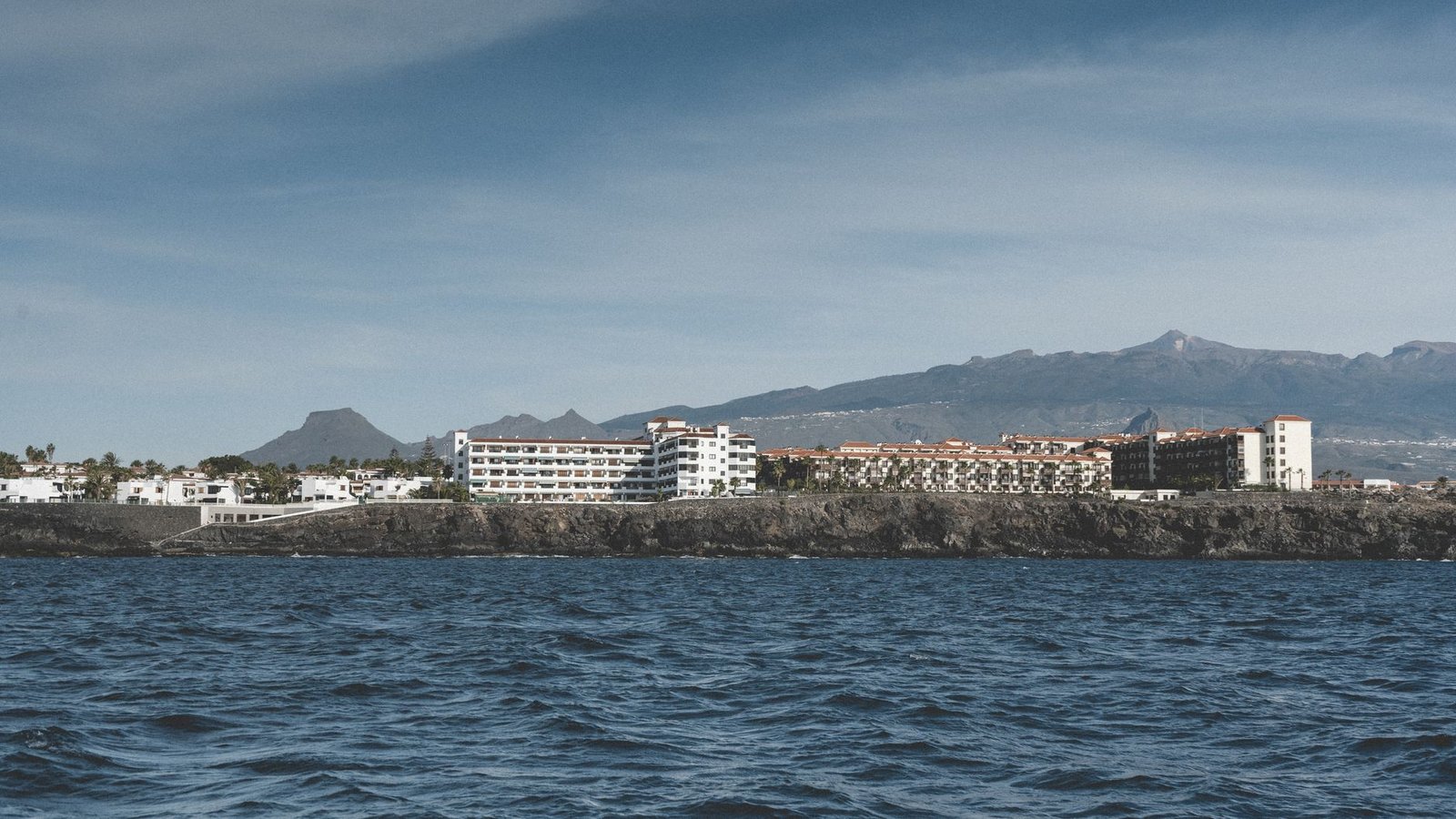
A stark image of human desperation and resilience has been cast onto the global stage as Pope Francis undertook a significant visit to the Canary Islands, a Spanish archipelago that has become a critical, yet often overlooked, waypoint for migrants undertaking perilous sea journeys. This papal engagement is far more than a symbolic gesture; it is a profound call to conscience, drawing the world’s attention to the harrowing realities faced by those fleeing conflict, poverty, and environmental devastation in pursuit of safety and a semblance of a future. The islands, a picturesque tourist destination, are paradoxically on the front lines of a humanitarian crisis, serving as a gateway to Europe for thousands who navigate treacherous waters in overcrowded and unseaworthy vessels, a testament to their immense courage and the dire circumstances they are escaping.
The Pontiff’s visit to this remote outpost of the European Union is a deliberate and powerful act, intended to humanize the statistics and reframe the narrative surrounding migration. It challenges the often dehumanizing rhetoric that dominates political discourse, urging leaders and citizens alike to see the faces, hear the stories, and acknowledge the inherent dignity of every individual seeking passage. The Canary Islands, geographically closer to Africa than mainland Spain, have witnessed a dramatic surge in arrivals, transforming them into a critical focal point for understanding the complex dynamics of irregular migration, border control, and international responsibility. Pope Francis’s engagement seeks to imbue this urgent conversation with empathy, compassion, and a renewed commitment to finding humane and sustainable solutions.
The Canary Islands: A Perilous Gateway
The Canary Islands, a collection of volcanic islands off the northwestern coast of Africa, have increasingly become a focal point for irregular migration into Europe. The treacherous journey across the Atlantic, often in small, overcrowded boats known as ‘pateras,’ is fraught with extreme danger. These vessels, ill-equipped for the vast ocean, are vulnerable to rough seas, engine failure, and extreme weather conditions. Migrants, primarily from West Africa and the Sahel region, embark on these voyages driven by a complex interplay of factors including political instability, economic hardship, and the devastating impacts of climate change in their home countries.
The statistics paint a grim picture of the scale and danger involved. According to the International Organization for Migration (IOM), the number of migrants arriving in the Canary Islands via the Atlantic route has seen significant fluctuations, with notable peaks in recent years. These voyages are exceptionally risky, with the IOM reporting that hundreds, if not thousands, of individuals have perished or disappeared attempting the crossing. The sheer distance and the unforgiving nature of the Atlantic Ocean mean that survival is far from guaranteed, turning each journey into a desperate gamble with life itself. The stark reality is that for many, the hope for a better life ends tragically in the unforgiving waters between continents.
Humanitarian Challenges and Border Realities
Upon arrival, migrants often face immense challenges, including overcrowding in reception centers, inadequate access to essential services, and the complex legal and bureaucratic processes associated with asylum claims. The Spanish authorities and various humanitarian organizations work tirelessly to provide aid, but the sheer volume of arrivals frequently stretches resources thin. The reception facilities, designed for temporary stays, can become strained, leading to difficult living conditions for those seeking refuge. This influx places significant pressure on local communities and national services, necessitating a coordinated and compassionate response.
The geopolitical implications of this migration route are profound. The Canary Islands serve as a stark reminder of the European Union’s external borders and the complex relationship between Europe, Africa, and international migration policies. The response to this challenge requires a multi-faceted approach, encompassing not only border management but also addressing the root causes of migration in countries of origin and fostering safe and legal pathways for those seeking protection. The ongoing efforts to manage these arrivals highlight the intricate web of international cooperation and humanitarian obligations that underpin global migration governance.
Pope Francis’s Appeal for Compassion

Pope Francis has consistently been a vocal advocate for migrants and refugees, framing their plight as a central issue of his papacy. His visit to the Canary Islands is a direct extension of his unwavering commitment to these vulnerable populations, seeking to amplify their voices and challenge indifference. The Pontiff’s message on such occasions typically transcends political boundaries, focusing on universal human values of solidarity, dignity, and compassion. He implores global leaders and ordinary citizens to recognize the shared humanity that connects all people, regardless of their origin or status.
During his engagements, the Pope often shares the stories of migrants, humanizing their experiences and urging for a more empathetic reception. He emphasizes that migration is a natural phenomenon, often driven by circumstances beyond individuals’ control, and calls for policies that are humane, just, and effective. His advocacy is not merely about providing aid but about fostering a fundamental shift in perspective, encouraging societies to embrace diversity and offer genuine opportunities for integration. The Pope’s platform provides a powerful moral authority that can galvanize action and inspire hope among those who feel forgotten.
A Call to Global Solidarity
The Pope’s presence in the Canary Islands serves as a potent symbol of global solidarity with those undertaking these dangerous journeys. It is a visual and moral imperative, urging the international community to confront the humanitarian crisis with renewed vigor and a deeper sense of shared responsibility. His message underscores the interconnectedness of the world and the ethical obligation to assist those in need, regardless of geographical proximity or political considerations. This papal intervention aims to foster a more inclusive and compassionate global outlook on migration.
The Catholic Church, through its extensive network of charities and aid organizations, plays a significant role in providing assistance to migrants worldwide. Pope Francis’s advocacy amplifies the work of these grassroots efforts, bringing greater visibility to the challenges faced by both migrants and those who support them. His appeals for greater international cooperation and resource sharing highlight the need for a collective, rather than a fragmented, approach to addressing the complexities of modern migration. This emphasis on shared responsibility is crucial for developing effective and sustainable solutions.
Root Causes and Systemic Issues
Understanding the perilous journeys of migrants to the Canary Islands requires a deep dive into the root causes compelling them to leave their homelands. These are rarely simple decisions but are often born out of profound desperation. Economic instability, lack of opportunity, and systemic poverty in many African nations push individuals to seek livelihoods elsewhere. The allure of perceived prosperity in Europe, however distant and dangerous the journey, becomes a powerful motivator when basic needs cannot be met at home.
Furthermore, political turmoil, conflict, and persecution in various regions force many to flee their homes in search of safety and security. These individuals are refugees, seeking international protection under established legal frameworks, though their journeys often become indistinguishable from those of economic migrants due to the lack of safe and legal avenues for seeking asylum. Climate change is also emerging as a significant driver, with prolonged droughts, desertification, and extreme weather events disrupting agriculture and livelihoods, displacing communities and exacerbating existing vulnerabilities. These interconnected factors create a complex web of drivers that propel individuals towards perilous migration routes.
The Role of International Policy
The international community’s response to migration is often complex and politically charged. Policies aimed at border control and deterrence, while understandable from a national security perspective, can inadvertently push migrants towards more dangerous routes and smugglers. The lack of sufficient safe and legal migration channels means that desperate individuals often turn to criminal networks, further increasing their risks. This highlights a critical tension between sovereign control and humanitarian imperatives, a delicate balance that Pope Francis consistently urges be tilted towards compassion and human dignity.
Addressing the migration crisis effectively necessitates a comprehensive strategy that goes beyond immediate border management. It requires sustained investment in development aid, conflict resolution, and climate adaptation initiatives in countries of origin. International cooperation is paramount, with nations working together to share the responsibility of managing migration flows and providing support to displaced populations. The dialogue initiated by papal visits aims to foster this essential global collaboration, emphasizing shared responsibility and the need for humane policies that respect fundamental human rights.
What This Means for the World
Pope Francis’s visit to the Canary Islands to highlight the perilous journeys of migrants is a clarion call for a global re-evaluation of our approach to migration. It underscores that the challenges faced by migrants are not isolated incidents but symptoms of broader global inequalities, political instability, and the escalating climate crisis. The Pontiff’s intervention forces a reckoning with the human cost of inaction and the moral imperative to act with greater empathy and solidarity. This moment serves as a critical juncture, demanding that the international community move beyond rhetoric and implement concrete, rights-based solutions.
The papal advocacy powerfully illustrates that migration is a shared global issue requiring a united response. It challenges the notion of borders as impenetrable barriers and instead emphasizes our shared humanity. This visit compels us to consider how policies enacted in one part of the world have profound consequences for individuals undertaking desperate journeys from another. The world is watching, and the message from the Canary Islands is clear: the time for decisive, compassionate, and coordinated action on migration is now.
Looking Ahead
The long-term implications of Pope Francis’s visit to the Canary Islands extend far beyond the immediate attention it garners. It serves as a catalyst for ongoing dialogue and policy reform, encouraging a more humane and sustainable approach to migration management. The focus on the perilous journeys of migrants is likely to spur further discussions on international cooperation, the importance of addressing root causes, and the need to uphold the dignity and rights of all individuals on the move. The challenge remains to translate this moral urgency into tangible policy changes and sustained humanitarian efforts.
As the world grapples with increasing displacement driven by conflict, poverty, and environmental change, the message from the Canary Islands resonates with urgent relevance. The path forward demands innovative solutions, equitable burden-sharing among nations, and a steadfast commitment to human rights. The hope is that the attention generated by this papal visit will translate into concrete actions that offer safety, dignity, and opportunity to those embarking on the most dangerous of journeys, transforming the narrative from one of crisis to one of shared humanity and collective responsibility.
The stark image of thousands of vulnerable individuals braving the unforgiving Atlantic in search of safety and opportunity has been brought into sharp relief by Pope Francis’s visit to the Canary Islands. This papal engagement is a powerful indictment of global indifference and a profound plea for humanity. It compels us to look beyond the headlines and confront the deeply human stories behind the migration statistics, urging a collective shift towards compassion, solidarity, and effective action. The journey for these migrants is fraught with peril, but the journey towards a more just and humane world requires us all to navigate treacherous ethical waters with courage and conviction.