
Under the sun-drenched surface of the azure waters off southern Europe, a silent legend has long drifted through the shadows. For decades, whispers of its existence have circulated among local fishermen and marine biologists, existing somewhere between ancient myth and modern maritime folklore. Now, that mystery has crystallized into a breathtaking reality through an extraordinary piece of video footage that has sent shockwaves through the global scientific community. Captured by stunned observers, the video reveals the unmistakable silhouette of a massive apex predator gliding effortlessly through the deep blue, its dark eyes reflecting the ancient light of the sea. This incredibly rare encounter provides indisputable visual proof that the ocean’s most formidable hunter still patrols these historic waters, challenging our understanding of marine resilience.
For a global audience concerned with the rapid decline of marine biodiversity, this incredible footage of a Great White shark in Mediterranean Sea waters arrives at a critical ecological juncture. The Mediterranean, often dubbed the cradle of human civilization, is also one of the most heavily trafficked, overfished, and ecologically stressed marine bodies on Earth. Finding such a magnificent predator thriving in these waters is not merely an exciting event for wildlife enthusiasts; it is a profound scientific discovery. It forces us to re-evaluate our understanding of the survival capabilities of critically endangered species under immense anthropogenic pressure. As climate change rapidly alters oceanic temperatures worldwide, this sighting offers an invaluable window into the resilience and future of our planet’s marine ecosystems.
The Encounter That Shocked the Scientific Community
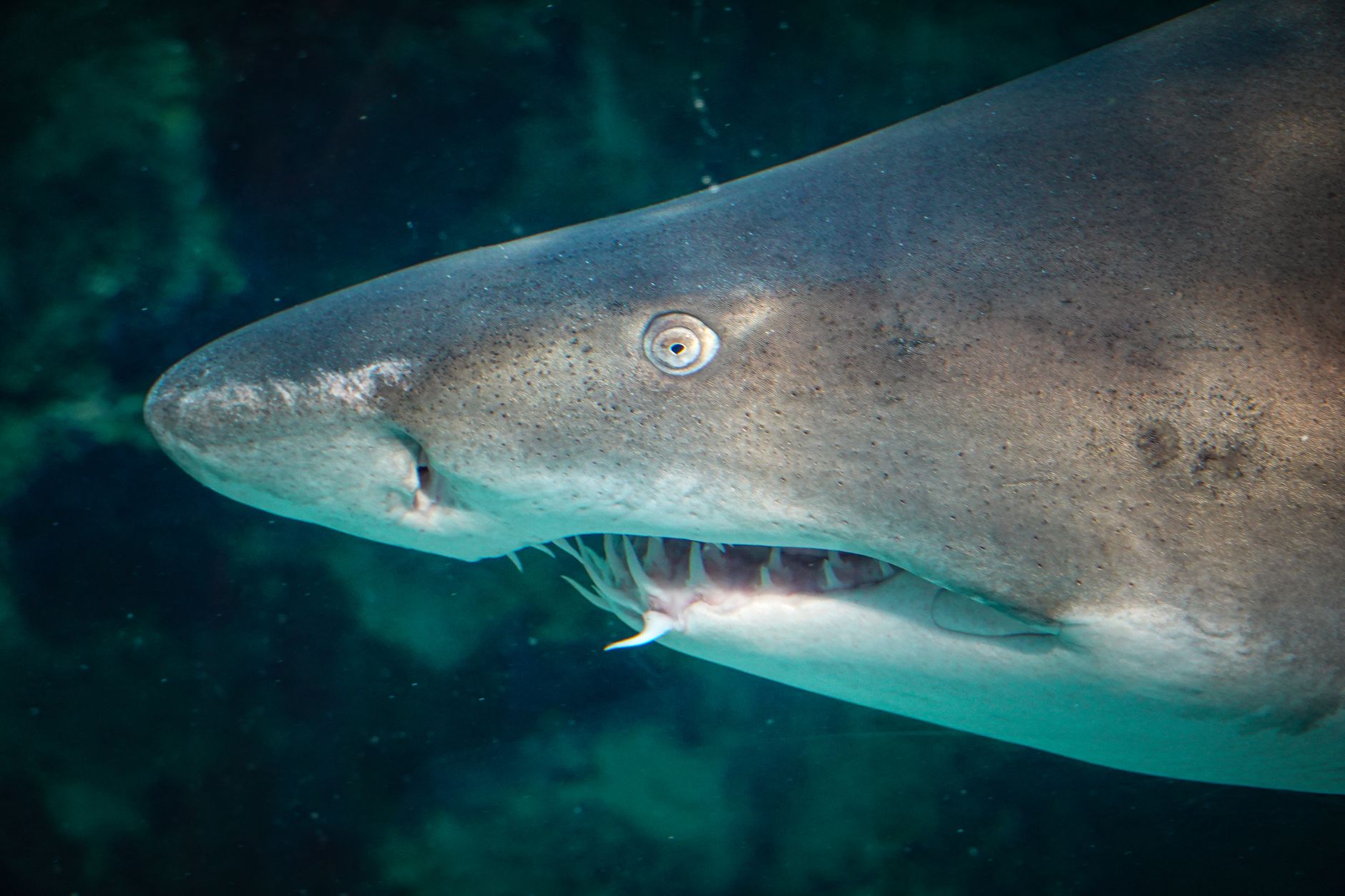
The remarkable footage was captured entirely by chance when an amateur videographer and a small team of local mariners noticed an unusually large shadow moving beneath their vessel. Initially expecting to see a common dolphin or perhaps a harmless basking shark, the onlookers watched in hushed awe as the unmistakable pointed snout and dark, counter-shaded body of a massive predatory shark emerged. The animal, estimated to be over fifteen feet in length, moved with an effortless grace that belied its immense power, circling the vessel with a calm curiosity rather than aggression. Within hours of being shared with leading marine research institutes, the video was authenticated by top shark experts who confirmed it as a historic sighting. This visual record is particularly precious because, despite centuries of maritime activity in the region, documented encounters with this species in European waters remain vanishingly rare.
For decades, marine biologists have relied primarily on historical archives, accidental bycatch reports, and fleeting, unconfirmed anecdotes to track the presence of these elusive predators. The sudden availability of clear, high-resolution footage allows researchers to analyze the shark’s physical condition, swimming behavior, and potential health markers in unprecedented detail. Preliminary assessments suggest that the individual shown in the footage appeared healthy, well-nourished, and free of the severe scars often associated with commercial fishing gear entanglement. This robust physical state suggests that the shark has found a viable hunting ground, successfully navigating the complex web of shipping lanes and fishing nets that cross the basin. The sheer excitement surrounding the discovery of this Great White shark in Mediterranean Sea currents highlights how little we still know about the secret lives of these ocean giants.
A Ghost in the Cradle of Civilization
Historically, the Mediterranean was home to a vibrant, native population of these apex predators, with records of encounters dating back to ancient Roman and Greek maritime chronicles. Sailors across the centuries spoke of massive sea monsters that patrolled the shipping routes, animals that we now recognize as great whites that had adapted to the unique conditions of these enclosed waters. Over the last century, however, industrial fishing, coastal development, and targeted hunting decimated their numbers, driving them to the absolute brink of regional extinction. Many scientists feared that the Mediterranean population had already collapsed beyond the point of recovery, leaving behind a sterile ecosystem stripped of its top-tier guardians. This newly captured video dramatically challenges that bleak narrative, proving that against all statistical odds, a remnant population continues to endure in the deep, quiet corners of the sea.
The Mystery of the Mediterranean Great Whites
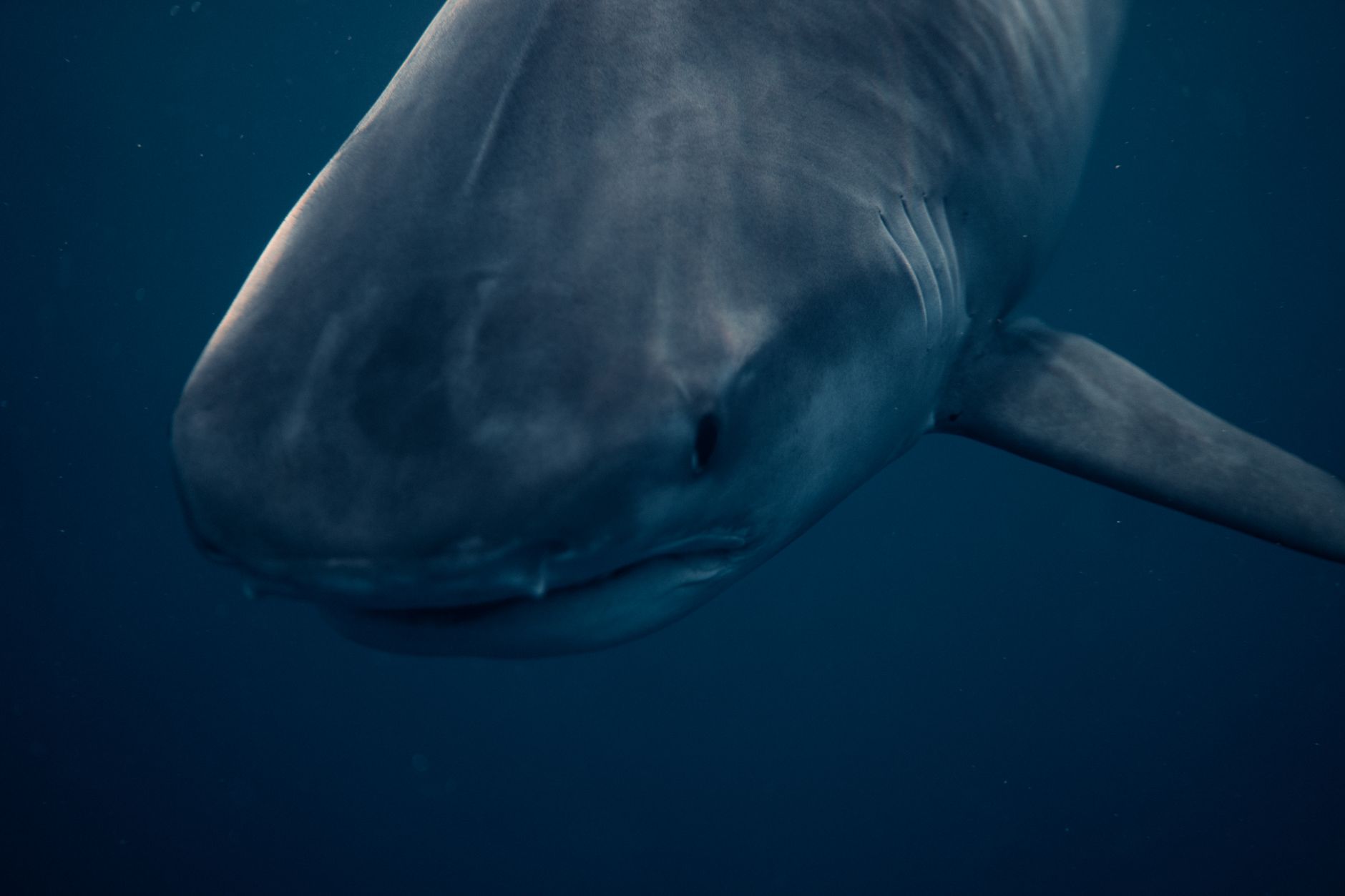
Understanding the life cycle of the Great White shark in Mediterranean Sea ecosystems requires examining centuries of maritime history and modern ecological dynamics. Unlike their counterparts in the Pacific or the Western Atlantic, which are frequently studied near coastal seal colonies, these sharks behave very differently in European waters. They are incredibly elusive, preferring the deep, offshore pelagic zones where they can hunt migratory bluefin tuna, swordfish, and various marine mammals without coming into contact with human activity. This preference for the open sea has made them nearly impossible to study systematically, leaving scientists to piece together their migratory routes from sparse and fragmented data. The new footage provides vital clues about their preferred habitats, suggesting that specific deep-water trenches and thermal fronts may serve as crucial refuges for these endangered giants.
Genetic studies conducted on historical specimens have revealed a fascinating secret: these sharks are actually closely related to the great white populations of Australia and New Zealand. Scientists theorize that tens of thousands of years ago, during a period of dramatic climate shifts, a small group of pioneering sharks took a wrong turn at the Strait of Gibraltar and entered the Mediterranean. Finding a warm, prey-rich environment, they stayed and established a distinct, isolated sub-population that has remained genetically separate from Atlantic sharks ever since. This genetic isolation makes the survival of the Mediterranean population incredibly critical, as their loss would mean the permanent extinction of a unique evolutionary lineage. Protecting these sharks is therefore not just about conserving a species, but about preserving a distinct piece of natural history that took millennia to develop.
Decades of Decline and the Urgent Fight for Survival
Despite the celebratory mood surrounding the new footage, conservationists warn that we must not lose sight of the grave threats that these animals continue to face daily. Over the past fifty years, the Mediterranean shark population has declined by an estimated ninety percent, making it one of the most endangered shark populations in the entire world. The primary culprit remains accidental bycatch, where sharks become hopelessly entangled in longlines, gillnets, and driftnets intended for commercial tuna and swordfish fisheries. Once trapped, these gill-breathing animals often suffocate before the fishing vessels return to retrieve their catch, leading to a silent and devastating loss of life. Without strict, enforceable regulations on pelagic fishing methods, even the most resilient shark populations will eventually succumb to this continuous pressure.
In addition to industrial fishing, the Mediterranean is heavily impacted by chemical pollution, plastic debris, and acoustic disturbance from global shipping traffic. As top predators, sharks suffer from a process known as bioaccumulation, where toxins like heavy metals and synthetic chemicals build up in their tissues over their long lifetimes. This toxic burden can severely impair their reproductive systems, making it even harder for their already depleted populations to recover and grow. Moreover, the endless noise from massive container ships can disrupt their highly sensitive sensory systems, interfering with their ability to navigate, find mates, and locate prey in the dark depths. To ensure that this recently filmed shark is not among the last of its kind, we must address these systemic environmental challenges with genuine urgency.
What This Means for the World
The confirmed sighting of a Great White shark in Mediterranean Sea waters carries profound ecological implications that extend far beyond regional tourism or marine biology circles. As apex predators, these sharks play an absolutely indispensable role in maintaining the delicate balance of marine ecosystems by regulating prey populations. By preying on the weak, sick, and old individuals of other species, they prevent overpopulation, limit the spread of diseases, and ensure that only the healthiest individuals survive to reproduce. This predatory pressure keeps mid-level carnivores in check, which in turn protects the vital seagrass meadows and algae forests that absorb carbon dioxide and produce oxygen. Without these silent guardians, marine ecosystems can experience catastrophic collapses, leading to a dramatic decline in the fish stocks that coastal human communities rely on for food and economic stability.
On a global scale, this event serves as a powerful reminder of the interconnectedness of our oceans and the absolute necessity of transboundary environmental management. Sharks do not recognize political borders; a single individual can easily travel through the territorial waters of a dozen different nations in a single year. Therefore, protecting the Mediterranean great white requires unprecedented political cooperation between European, North African, and Middle Eastern nations. This sighting should act as an urgent catalyst for international policy bodies to strengthen marine protected areas, ban destructive fishing practices, and enforce strict conservation laws across the entire basin. It proves that local conservation efforts can have a global impact, inspiring other nations to invest in the protection of their own marine habitats.
Looking Ahead
As we peer into the future of marine conservation, the preservation of the Mediterranean great white will undoubtedly serve as a critical test of our global commitment to biodiversity. Scientists are already planning targeted research expeditions to the area where the footage was captured, hoping to deploy non-invasive satellite tags and gather genetic material. These advanced tracking efforts will help identify crucial mating grounds, nursery areas, and migratory corridors that require immediate, absolute protection from commercial shipping and industrial fishing. Additionally, the integration of artificial intelligence and automated camera networks along key coastlines could soon allow us to monitor these animals continuously without disturbing their natural behaviors.
However, the biggest challenge on the horizon remains the rapidly escalating climate crisis, which is warming the Mediterranean Sea at a rate faster than the global average. This rapid warming is driving invasive species into the basin, altering the migration patterns of native prey, and shifting the thermal boundaries that these sharks rely on to regulate their body temperature. Scientists must closely monitor how these changing ocean conditions affect the sharks’ behavior and distribution in the coming decades. If we are to ensure that future generations can catch glimpses of this magnificent Great White shark in Mediterranean Sea waters, our conservation strategies must be dynamic, adaptive, and deeply integrated with global efforts to combat climate change.
Final Thoughts
Ultimately, this breathtaking footage of a Great White shark in Mediterranean Sea waters is a powerful symbol of hope, resilience, and the enduring mystery of our natural world. It serves as a striking reminder that even in an era dominated by human expansion, concrete cities, and digital connectivity, the deep oceans still hold secrets capable of capturing our collective imagination and filling us with profound wonder. The survival of this ancient predator against all odds is a testament to the quiet strength of nature, showing us that life will always search for a way to endure if we simply give it the space to do so. As we look out across the glittering, historic waves of the Mediterranean, we are left with a deep sense of responsibility to protect these wild, untamed spaces, ensuring that this legendary guardian of the deep continues to glide through the shadows for generations to come.