🌍 Introduction
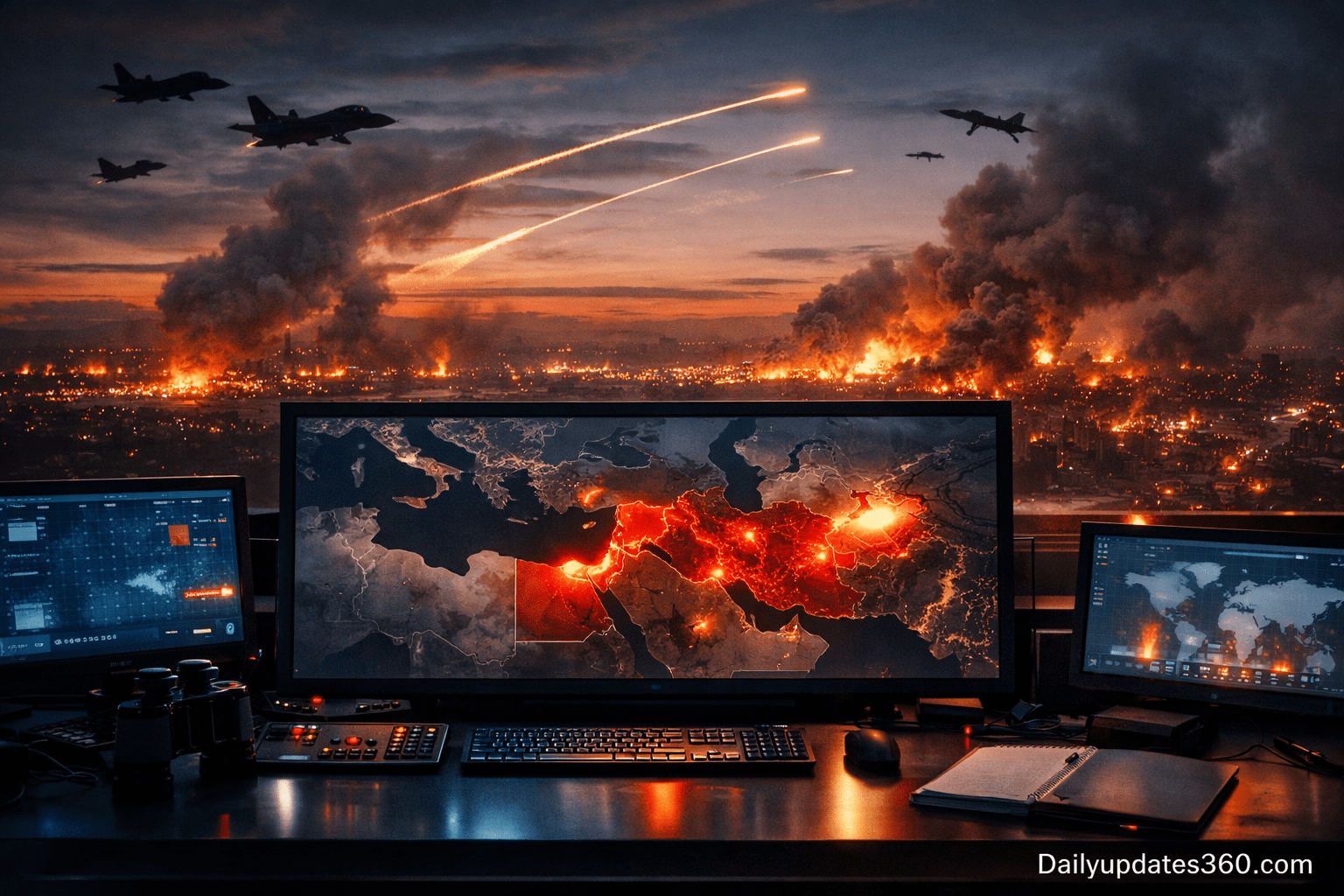
Tensions in the Middle East have reached a critical point in 2026, with the escalating conflict between the United States, Israel, and Iran capturing global attention. What began as a series of strategic confrontations has now evolved into one of the most closely watched geopolitical crises of the decade.
This conflict is trending worldwide not only because of its military intensity but also due to its far-reaching consequences—impacting global oil markets, international diplomacy, and fears of a broader war. As events continue to unfold, understanding the roots, current developments, and future implications has become more important than ever.
📜 Background of the Conflict
The tensions between the United States, Israel, and Iran are deeply rooted in decades of political, military, and ideological differences.
One of the central issues has been Iran’s nuclear program. Western nations, particularly the United States and Israel, have long expressed concerns that Iran could develop nuclear weapons. Iran, however, maintains that its program is for peaceful purposes.
In 2015, a major diplomatic effort known as the Joint Comprehensive Plan of Action (JCPOA) aimed to limit Iran’s nuclear activities in exchange for sanctions relief. However, the agreement began to unravel after the U.S. withdrew in 2018, leading to renewed tensions.
Additionally, ongoing conflicts across the Middle East—such as proxy wars and regional rivalries—have further strained relations, setting the stage for a larger confrontation.
⚔️ How the War Started (2026)
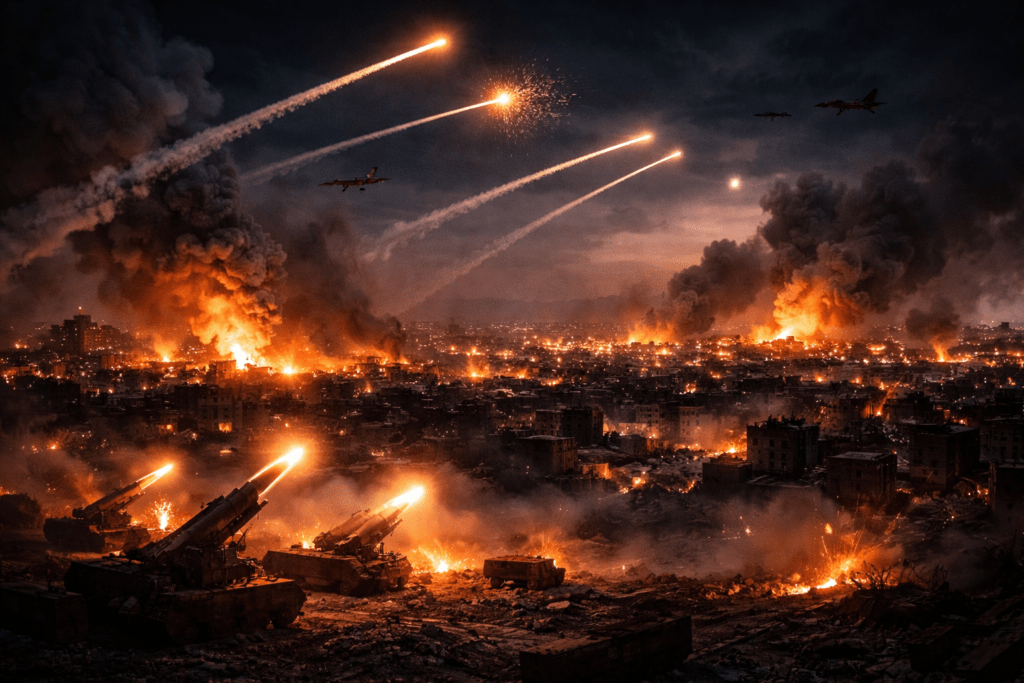
The current phase of the conflict escalated dramatically in February 2026.
Reports indicate that coordinated military actions by the United States and Israel targeted strategic locations within Iran, citing security concerns and preemptive defense measures. These strikes were aimed at weakening Iran’s military capabilities and limiting its regional influence.
In response, Iran launched retaliatory attacks using missiles and drones, targeting military installations and strategic assets linked to both the United States and Israel. This exchange marked a turning point, transforming long-standing tensions into direct confrontation.
Despite the intensity, both sides have framed their actions as defensive, making the situation complex and highly sensitive.
🔴 Latest Updates (2026)
The conflict remains active and continues to evolve rapidly.
Airstrikes and missile exchanges have been reported intermittently, with both sides demonstrating significant military capabilities. Regional tensions have also increased, as neighboring countries monitor the situation closely.
Diplomatic efforts are underway, with international organizations and global powers pushing for de-escalation. Talks around a potential ceasefire have surfaced, but progress remains uncertain.
The situation is fluid, with developments occurring frequently. Analysts warn that even a minor escalation could have major global consequences.
🌐 Global Impact
The effects of the US–Israel–Iran war are being felt far beyond the Middle East.
🛢️ Oil Prices and Global Economy
The conflict has created volatility in global oil markets. Any disruption involving Iran—especially near key trade routes—raises concerns about supply shortages, driving prices upward.
🚢 Trade Disruptions
The Strait of Hormuz, a critical passage for global oil shipments, remains a focal point. Any instability here threatens international trade and energy security.
🤝 International Relations
Countries around the world are being forced to take positions, either diplomatically or economically. This has led to shifting alliances and increased geopolitical tension.
🌍 Fear of a Larger War
Perhaps the most concerning impact is the growing fear of a broader global conflict. Discussions around a potential “World War 3” scenario have gained traction, although such outcomes remain speculative.
⚖️ Who Is Winning? (Balanced Analysis)
At this stage, it is difficult to declare a clear winner.
🪖 Military Strength
The United States and Israel possess advanced military technology and coordinated defense systems. Iran, on the other hand, has demonstrated strong asymmetric capabilities, including missile and drone warfare.
🎯 Strategic Advantages
Israel benefits from strong intelligence networks and strategic alliances. Iran, however, holds geographical advantages and influence through regional partnerships.
🌍 Regional Influence
Iran’s presence in the region through allied groups gives it leverage, while the United States maintains global military reach and diplomatic influence.
Overall, the conflict appears to be in a state of strategic balance, with both sides capable of inflicting and absorbing significant impact.
🔮 Future Predictions
The future of this conflict remains uncertain, but several possible scenarios are being discussed:
🕊️ Ceasefire
International pressure could lead to a negotiated ceasefire, reducing immediate tensions.
⏳ Prolonged Conflict
The war may continue at a lower intensity, with periodic escalations and ongoing instability.
🌍 Risk of Wider War
If additional countries become directly involved, the conflict could expand, increasing the risk of a larger global confrontation.
Experts emphasize that outcomes will depend heavily on diplomatic efforts and strategic decisions in the coming months.
🧾 Conclusion
The US–Israel–Iran war of 2026 represents a complex and evolving geopolitical crisis with deep historical roots and significant global consequences. From its origins in nuclear tensions to its current military escalation, the conflict highlights the fragile balance of international relations.
As the world watches closely, one thing remains clear: the path forward will require careful diplomacy, restraint, and a renewed commitment to global stability.
In a time of rising uncertainty, the hope for peace is not just a political goal—it is a necessity for the future of the world.
” If you want to Know more about world here you can see World News “