Introduction
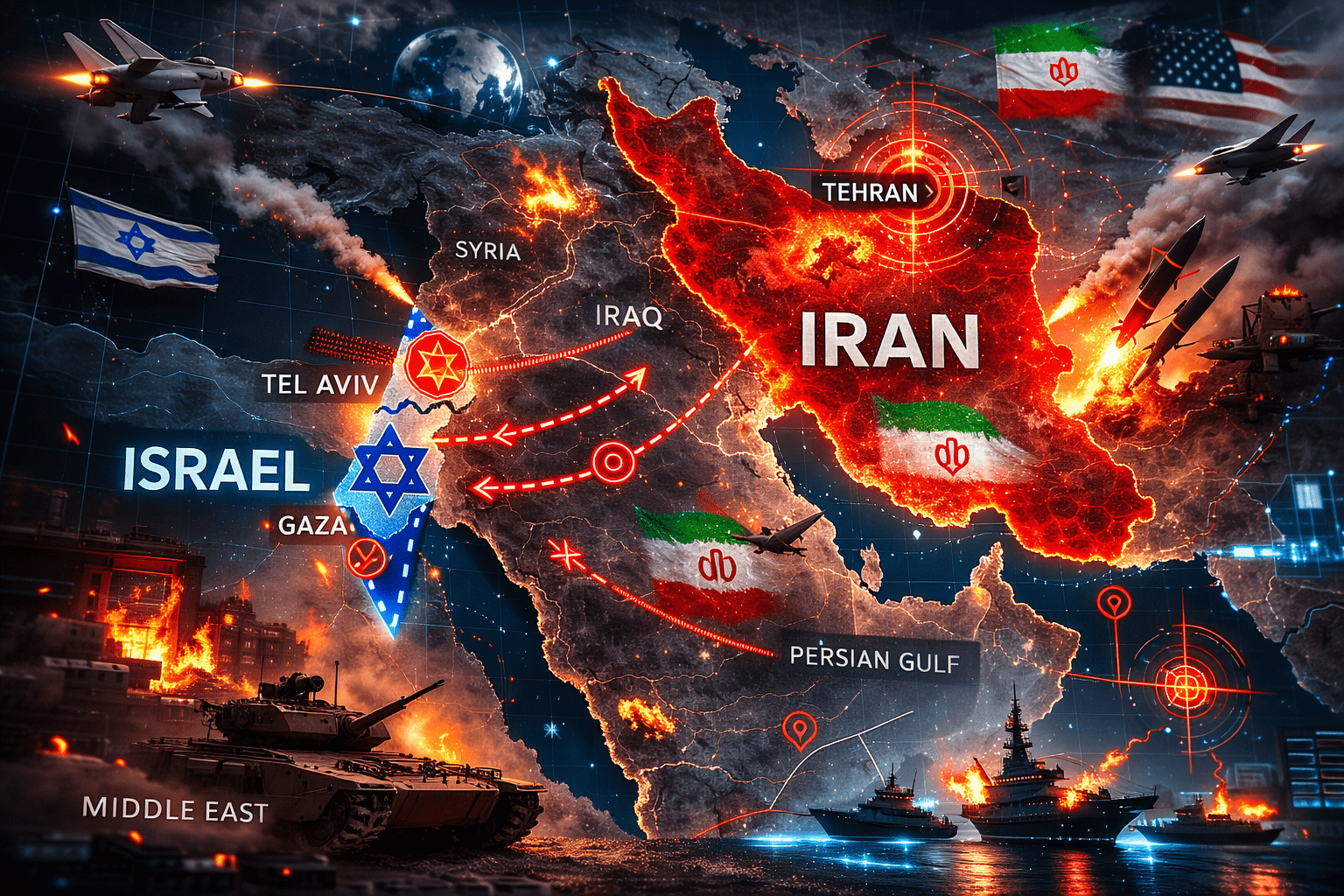
The Iran–Israel War in 2026 has captured global attention as tensions in the Middle East reach unprecedented levels. What began as a series of strategic confrontations has escalated into a full-scale conflict, drawing reactions from world leaders, international organizations, and economic markets.
This article dives into the latest updates, analyzes the regional and global implications, and explains why this conflict matters for governments, businesses, and everyday people around the world.
1. Escalation Timeline: How the War Unfolded
The Iran–Israel conflict in 2026 escalated rapidly due to a combination of territorial disputes, military provocations, and geopolitical tension. Key events include:
- Initial Strikes: The first exchange of attacks occurred in early January 2026, targeting key military and strategic facilities.
- Regional Alliances Activated: Neighboring countries in the Middle East responded with statements of support or condemnation, highlighting the growing divide.
- Air and Missile Engagements: Both Iran and Israel increased aerial and missile operations, with reports of targeted airstrikes and defensive measures.
- Global Reactions: The United Nations and major powers issued urgent calls for diplomacy to prevent escalation into a wider regional conflict.
These events show a fast-moving conflict that is drawing international scrutiny and raising concerns about global security.
2. Military Strategies and Key Developments
The ongoing conflict features sophisticated military strategies and advanced technologies:
- Israel’s Defense Systems: Israel has relied heavily on missile defense systems to intercept incoming attacks and protect civilian areas.
- Iran’s Regional Tactics: Iran has utilized proxy forces in neighboring regions, creating a network of influence and pressure points across the Middle East.
- Cyberwarfare and Intelligence: Both nations have reportedly launched cyber operations targeting critical infrastructure, adding a new dimension to the conflict.
- Airspace and Naval Operations: Control over strategic airspace and maritime routes has become central, particularly in the Persian Gulf and Red Sea corridors.
These tactics highlight the complexity and high stakes involved in the conflict.
3. Regional Impact: Middle East in Turmoil
The Iran–Israel War is not confined to the two nations; it has far-reaching consequences for the region:
- Economic Disruptions: Oil prices have surged due to concerns over supply chain instability in the Gulf region.
- Humanitarian Crisis: Increased displacement and civilian casualties are reported in border areas, raising urgent humanitarian concerns.
- Political Tensions: Neighboring countries are balancing alliances, with some actively mediating peace talks while others prepare for potential spillovers.
- Military Mobilization: Countries like Lebanon, Syria, and Iraq have seen heightened military readiness due to fears of proxy escalation.
The conflict is reshaping the political and economic landscape of the Middle East in real time.
4. Global Reactions and Diplomatic Efforts
International organizations and governments are closely monitoring the situation:
- United Nations: Emergency sessions have been held to discuss peacekeeping and diplomatic solutions.
- United States and European Union: Calls for de-escalation have been issued, along with sanctions and military advisories.
- China and Russia: Both nations have expressed concern, emphasizing the importance of regional stability and diplomatic dialogue.
Diplomacy remains a fragile but essential tool for preventing further escalation.
5. Economic and Global Security Implications
The war affects more than just the Middle East. Global markets, energy supplies, and security policies are impacted:
- Oil and Gas Prices: Persian Gulf tensions directly influence crude oil prices worldwide.
- Trade Disruptions: Maritime routes and shipping corridors are at risk, affecting international trade.
- Cybersecurity Risks: Potential cyberattacks targeting financial institutions or infrastructure could have global effects.
- Defense Policies: Nations worldwide are reassessing their military strategies and regional alliances.
Understanding these implications is essential for investors, policymakers, and businesses operating globally.
Key Takeaways
- The Iran–Israel War 2026 is escalating quickly with major military, economic, and diplomatic consequences.
- Regional instability affects neighboring Middle Eastern countries, global energy markets, and international security.
- Diplomatic efforts are ongoing but fragile, with the risk of wider conflict looming.
- Cyber operations, airstrikes, and proxy conflicts add complexity to an already tense geopolitical situation.
Frequently Asked Questions (FAQ)
What triggered the Iran–Israel War in 2026?
The conflict escalated due to a combination of territorial disputes, military provocations, and strategic geopolitical interests in the Middle East.
How are global powers reacting to the conflict?
The United Nations, United States, EU, China, and Russia have all expressed concern and are calling for diplomacy, sanctions, or mediation efforts.
What is the impact on oil prices and global trade?
Tensions in the Persian Gulf have caused oil prices to rise and disrupted maritime shipping routes, affecting global trade and economic stability.
Are civilians affected in the conflict zones?
Yes, border areas have experienced displacement, civilian casualties, and humanitarian crises due to military operations.
Could this conflict escalate further?
Yes, if diplomatic solutions fail, there is a risk of the war expanding regionally, potentially drawing in other countries and proxy forces.
Suggested External Authority Sources
Conclusion
The Iran–Israel War 2026 is one of the most critical geopolitical events of the year, affecting regional stability, global security, and international markets. Keeping updated on developments is essential for governments, businesses, and individuals worldwide.
For more updates on global conflicts, Middle East news, and international affairs, continue exploring Dailyupdates360 for in-depth coverage and expert analysis.