
Self-improvement is not a dramatic transformation that happens overnight. In real life, it is a gradual and often imperfect process shaped by everyday decisions, habits, and mindset shifts. True growth happens quietly—through consistency, reflection, and intentional effort over time.
This article presents a realistic and structured approach to self-improvement that focuses on long-term progress rather than short-term motivation. The goal is not perfection, but steady improvement that fits into real, busy lives.
Understanding Self-Improvement
At its core, self-improvement is the ongoing effort to better understand yourself and make intentional changes that support growth. It goes beyond productivity or career success and includes emotional balance, mental clarity, and physical well-being.
In practice, self-improvement often involves:
- Becoming more aware of personal strengths and limitations
- Developing discipline through routine rather than pressure
- Learning how to manage emotions in stressful situations
- Continuously building useful skills and knowledge
What separates sustainable growth from burnout is patience. Meaningful improvement focuses on long-term development, not quick wins or constant motivation.
Why Personal Development Matters

People who actively work on personal development often notice changes that extend far beyond their original goals. Over time, growth influences how they think, react, and make decisions.
Common benefits include:
- Greater confidence built on self-trust
- Improved focus and clarity in daily tasks
- Better emotional control during challenges
- Healthier personal and professional relationships
Personal development does not eliminate problems. Instead, it improves your ability to handle them calmly and effectively.
Key Pillars of Self-Improvement
Mindset and Self-Awareness
Self-awareness is the foundation of all personal growth. Without it, habits remain unconscious and patterns repeat themselves. With it, individuals gain the ability to pause, reflect, and respond rather than react.
A healthy mindset allows you to:
- Learn from mistakes instead of avoiding them
- Accept feedback without defensiveness
- Adapt when circumstances change
In reality, mindset work often feels uncomfortable at first. That discomfort is usually a sign of growth, not failure.
Habit Formation and Discipline
Long-term improvement is built through habits, not bursts of motivation. Discipline is not about being strict with yourself; it is about creating systems that make progress easier to maintain.
Effective habit-building includes:
- Starting with small, manageable actions
- Anchoring habits to existing routines
- Allowing flexibility instead of all-or-nothing thinking
Progress becomes sustainable when habits fit naturally into daily life rather than feeling forced.
Continuous Learning
Learning does not stop after formal education. In fact, personal growth often accelerates when learning becomes intentional and practical.
Continuous learning can involve:
- Reading or listening to material related to personal goals
- Developing new professional or creative skills
- Applying lessons through real-world practice
Information alone does not create change. Growth happens when learning is applied consistently, even in small ways.
Emotional and Mental Well-Being
Emotional intelligence plays a critical role in sustainable self-improvement. Ignoring emotions does not create strength; understanding them does.
Supporting mental and emotional well-being includes:
- Recognizing stress triggers early
- Setting boundaries with work and relationships
- Allowing rest without guilt
Taking care of mental health is not a setback. It is often what allows long-term progress to continue.
Physical Well-Being
Physical health directly influences mental clarity, emotional stability, and energy levels. When the body is neglected, productivity and focus usually decline as well.
Simple but effective practices include:
- Regular movement or light exercise
- Consistent sleep routines
- Balanced and mindful nutrition
Physical well-being supports every other area of self-improvement and should not be treated as optional.
Common Pitfalls to Avoid
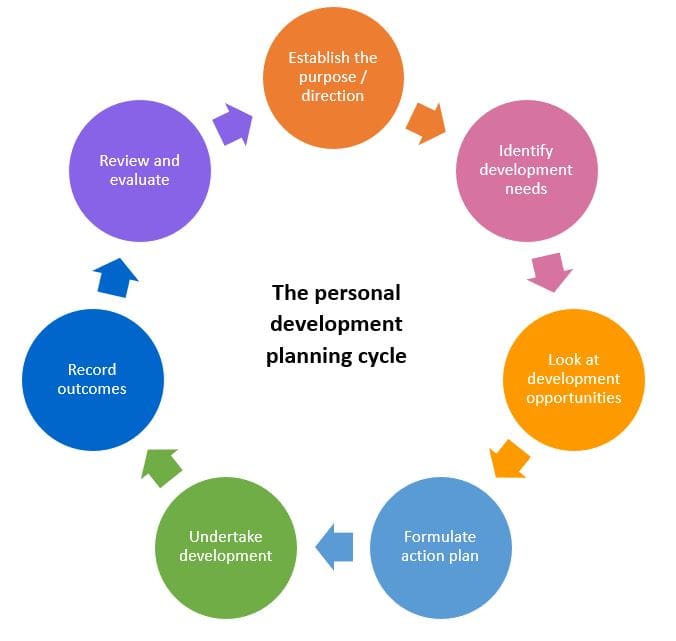
Many people struggle with self-improvement not because of lack of effort, but because of unrealistic expectations.
Common mistakes include:
- Trying to change too many habits at once
- Comparing progress to others
- Ignoring the need for rest and recovery
- Quitting when results appear slow
Growth is rarely linear. Temporary setbacks do not erase progress—they are part of it.
Conclusion: Progress Built on Consistency
Self-improvement is not a destination but a continuous process shaped by discipline, reflection, and intentional action. While progress may feel slow at times, small improvements accumulate into meaningful change.
Sustainable growth is not driven by intensity or perfection. It is built through consistency, self-awareness, and realistic expectations. Over time, these qualities create a stronger foundation for both personal fulfillment and professional success.